Industrial coatings

Industrial coatings

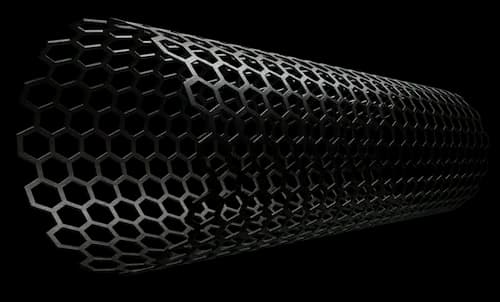
Graphene nanotubes—the advanced anti-static agent for enhanced functionality

Graphene nanotubes open the door to innovative coating formulations that deliver uniform, permanent electrical conductivity without sacrificing mechanical performance or color flexibility. They enable the creation of high-value coatings that meet demanding technical and aesthetic requirements.


Unlike traditional anti-static agents, graphene nanotubes provide stable conductivity at ultralow dosages, starting from just 0.01 wt.%. This gives producers greater formulation freedom, enhanced safety, and longer-lasting coating performance while helping reduce material consumption and overall CO₂ emissions.

Graphene nanotubes for coatings: conductivity, high performance & aesthetics

Industrial coatings are increasingly evolving toward higher performance, longer service life, and a reduced carbon footprint. Demand is growing for advanced solutions that combine durability, multifunctionality, and sustainability without compromising production efficiency. Graphene nanotubes are emerging as a key enabler of this shift, enabling the development of coatings with new functionalities and enhanced performance that meet demanding industrial requirements. These capabilities support lighter, longer-lasting, and more efficient coating solutions. As a result, graphene nanotubes are becoming a driving force behind the next generation of industrial coatings.

APPLICATIONS_QUESTIONS

  • Flooring

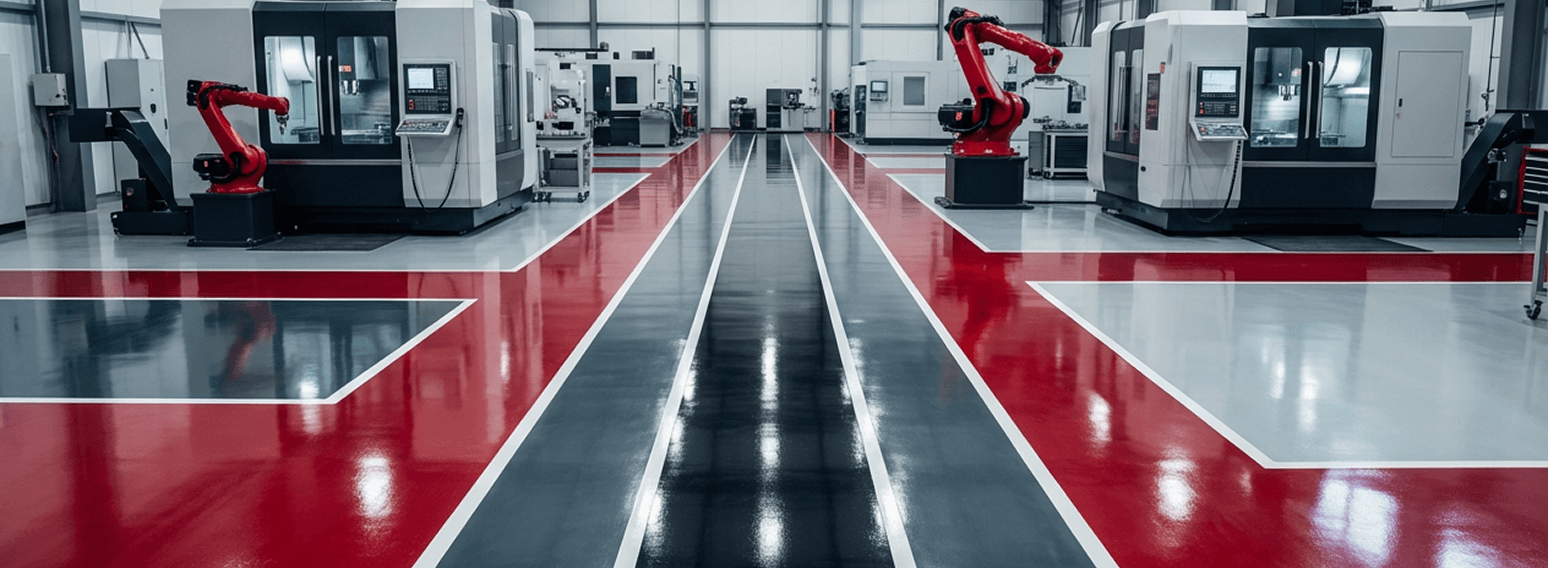
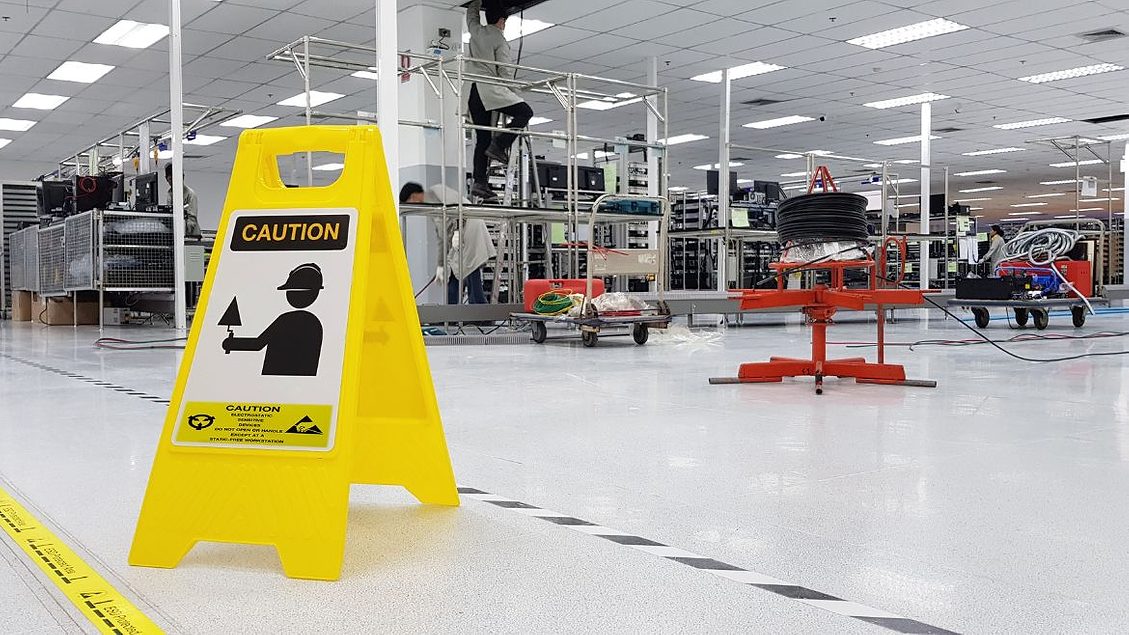
    Self-leveling ESD flooring powered by graphene nanotubes meets the strict requirements of IEC 61340-4-1, ASTM F150-06, and ANSI/ESD S20.20. The nanotubes provide permanent, evenly distributed electrical conductivity without insulative hot spots or visible black dots and maintain stable performance even as humidity levels change. This ensures reliable anti-static protection and successful walking body voltage test results.

    READ_MORE
  • Powder coatings

    Protective clothing with graphene nanotubes provides durable anti-static performance while maintaining fireproof and chemical-resistant properties. Nanotubes enable compliance with EN 1149, IEC 61340, and ASTM D6413, ensuring protection against sparks, molten metal, high temperatures, and electrostatic discharge. The clothing also offers no carbon release and allows expansion of the color palette.

    READ_MORE
  • Lining coatings

    Graphene nanotubes give industrial gloves ESD protection and touch-screen compatibility in compliance with EN 16350. They also maintain resistance to abrasion, cut, puncture, alkali, hydrolysis, and microbial attack, while providing a soft-touch feel. This combination supports safer, more efficient, and automated industrial workflows.

    READ_MORE
  • Gelcoats and moldcoats

    Graphene nanotubes provide permanent electrical conductivity to gelcoats while preserving light colors and enabling easy spray application. In fiberglass molds, conductive tooling gelcoats reduce dust buildup, minimize material waste, and help maintain surface gloss. They also lower the risk of static shocks during demolding, as well as the associated hazards of fire or explosion.

    READ_MORE
  • Protective films

    Graphene nanotubes enable thin transparent or colored protective films to become electrically conductive with reduced coating times and maintained rheological properties. Such films provide effective, long-lasting protection for electronics and other ESD-sensitive products against static discharge damage.

    READ_MORE
  • Electrically heated coatings

    Graphene nanotubes can transform coatings into efficient heating elements by forming a permanent conductive network that creates a low-energy smart heating surface. These coatings maintain a clean, uniform appearance without black dots, preserve the original color options, and retain the material’s mechanical properties.

    Electrically heated coatings
  • Textile coatings

    The electrical conductivity provided by graphene nanotubes gives textiles valuable new functionalities while preserving their mechanical properties, appearance, flexibility, softness, and color. Introduced through textile finishing, nanotubes enable stable ESD protection, thermal management, dust repellency, touchscreen compatibility, etc.

    READ_MORE
    Textile coatings

APPLICATIONS_CONTACTS_TITLE

APPLICATIONS_MEDIA_TITLE Industrial coatings

  • SCIENTIFIC_VALIDATION_TITLE

    Floor coating
    Floor coating

    Raman Spectroscopy Unfolds the Fate and Transformation of SWCNTs after Abrasive Wear of Epoxy Floor Coatings

    As a part of Diagonal EU project, FORTH, OCSiAl, STAT PEEL and other members examined TUBALL™ release from epoxy composites during abrasion tests. The level of nanotubes detected were below the LoQ.


    Published:

    APPLICATIONS_VIDEOS_TITLE

    • 3 reasons to choose graphene nanotubes for self-leveling anti-

    • Produce anti-static powder coatings in 2.5 months without changing processing