
Medicine and Healthcare

Medicine and Healthcare

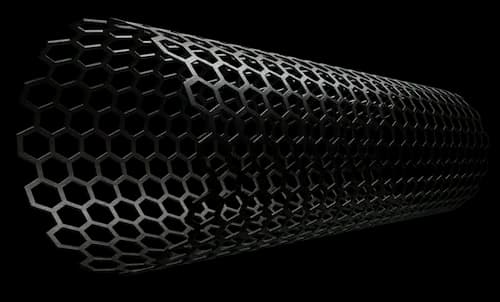
Graphene nanotubes for medicine and healthcare: precise diagnostics with touch comfort and skin cleanliness

Healthcare devices like wearable electronics, body sensors, bionic prostheses, and massage tools rely on key features: electrical conductivity, elasticity, and softness. These devices must deliver accurate data and signals to and from the human body without causing discomfort and irritation or leaving marks on the skin.


Graphene nanotubes ensure RoHS compliance, provide precise conductivity for accurate sensor measurements, and maintain flexibility and softness — all without compromising skin comfort and device durability.

Graphene nanotubes – the ultimate additive for conductive silicone rubber

Thanks to the unique morphology and characteristics of graphene nanotubes, they provide stable conductive properties to silicone. The granted electrical conductivity enables the precise delivery of electronic impulses to and from the human body, ensuring accurate diagnostics and effective treatment without causing skin contamination.


Ultralow working dosages — dozens of times lower than those of other conductive additives — preserve the final product’s softness and color while maintaining standard processing conditions without generating carbon dust or drastically increasing viscosity.

Hai domande o idee per nuove applicazioni dei nanotubi di grafene?

  • Bionic prosthetic

    Nanotubes in silicone fingertips of a prosthesis facilitate the integration of actuators, sensors, and electronic components that transmit electrical currents, providing bionic hand prostheses with touch-screen capability, maintained softness and flexibility, and no skin contamination.

    Leggi di più


Diamo il benvenuto a nuovi progetti di R&S congiunti in questo campo

Media sui nanotubi di grafene in Medicine and Healthcare

  • Validazione scientifica

    Silicone
    Silicone

    Electrostatic Dissipation in 3D-Printable Silicone

    Low loadings (<1 wt %) of TUBALL™ can be sufficiently dispersed into silicone resins that can be 3D printed, and the resulting material shows a significant improvement in electrostatic dissipation through the reduction in electrical resistivity with minimal effect on its mechanical properties.


    Published:

    Video correlato

    • Is it possible to use touch-screen devices with a basic prosthetic hand?

    • Graphene nanotubes for elastomers: consistent conductivity with high mechanical performance