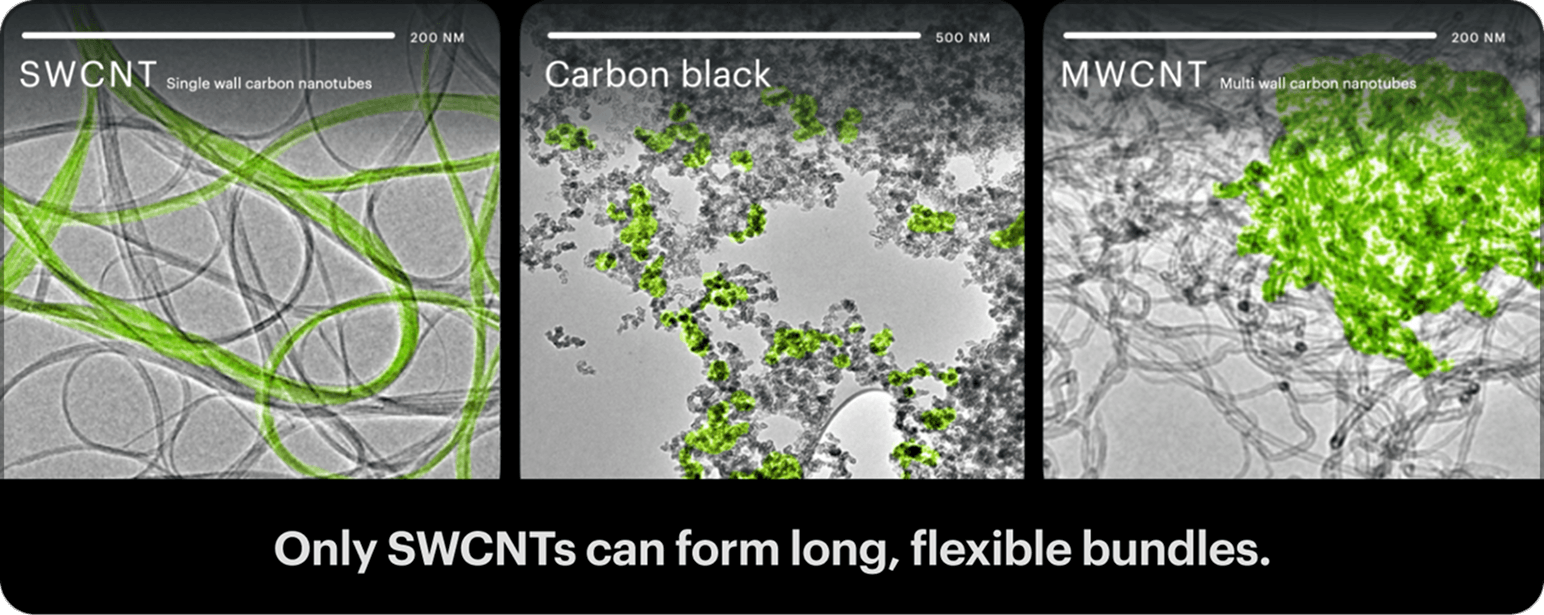
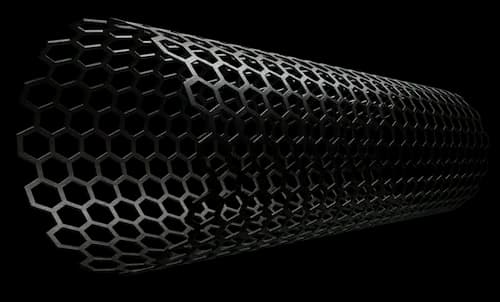
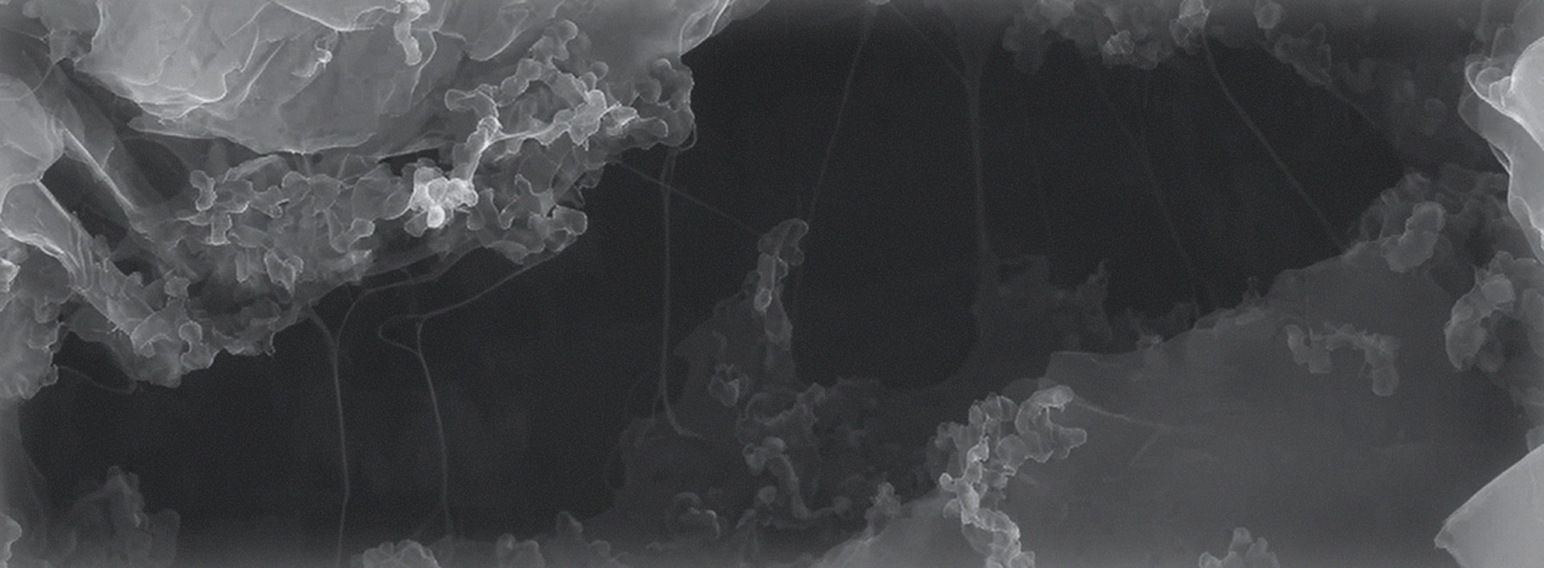
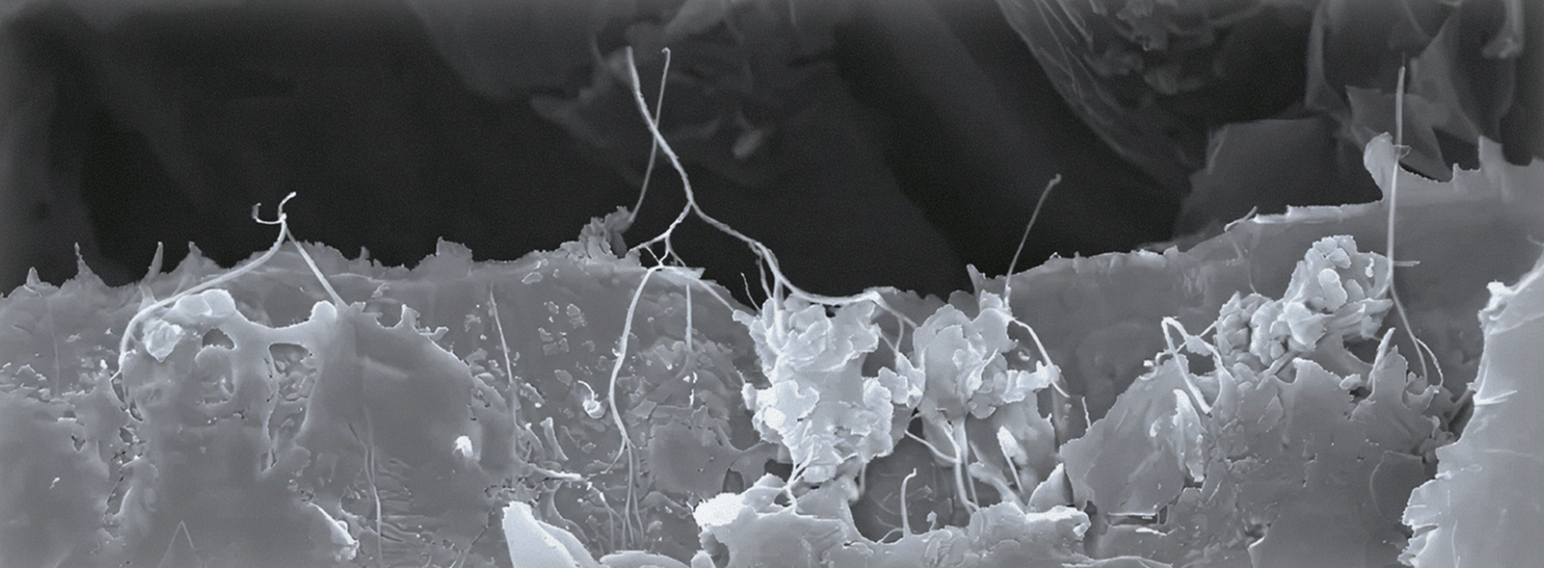
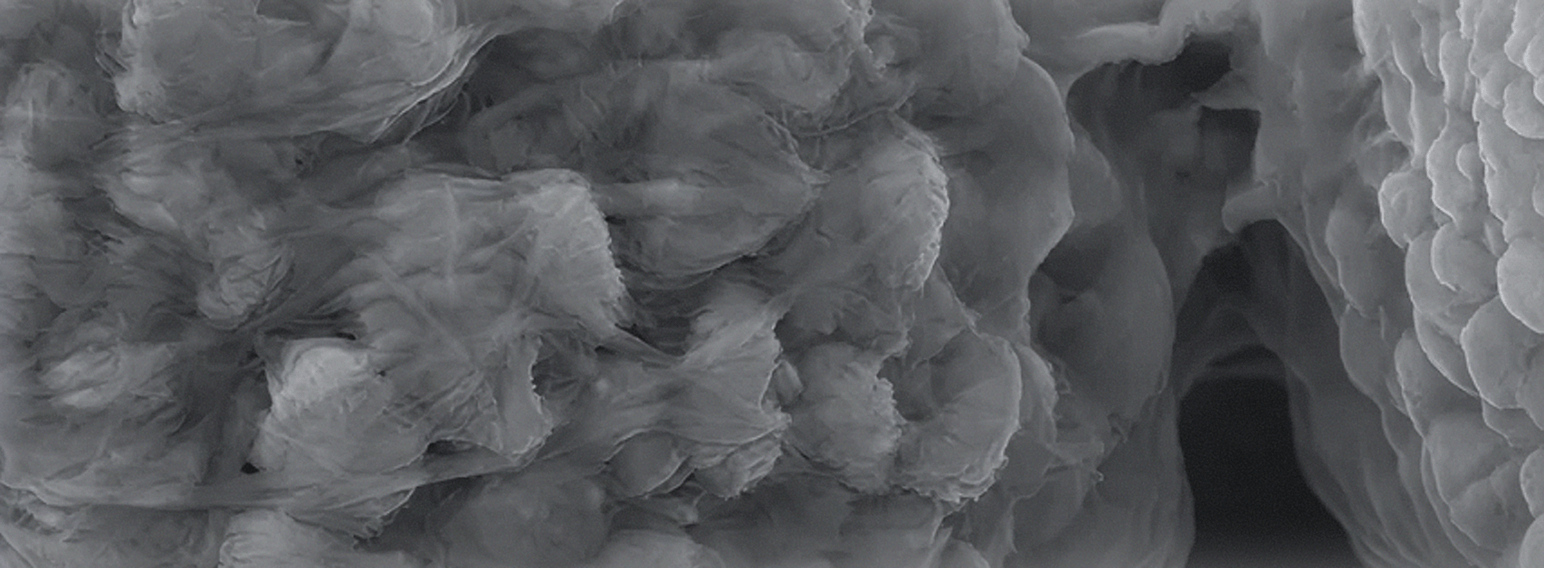
TUBALL™ single wall carbon nanotubes (SWCNTs) stand out among conductive agents for batteries for their exceptional intrinsic properties, being nature’s longest and most flexible material for conductivity and reinforcement of electrodes.
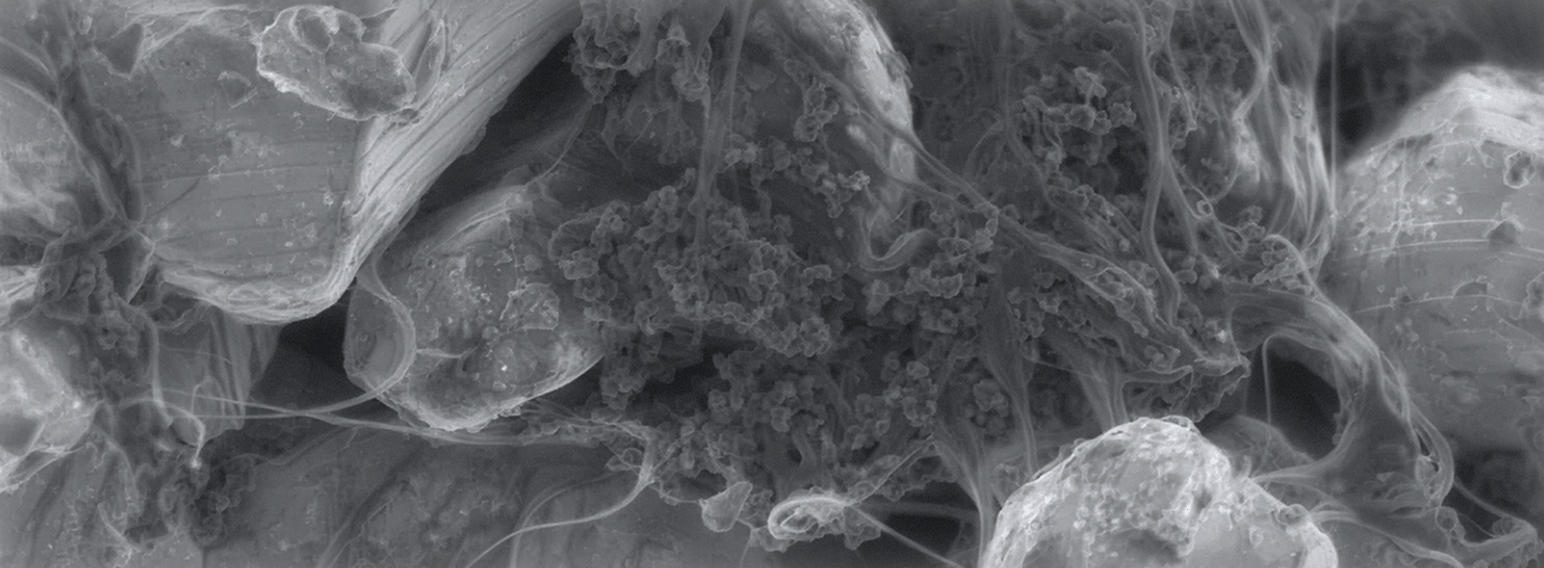
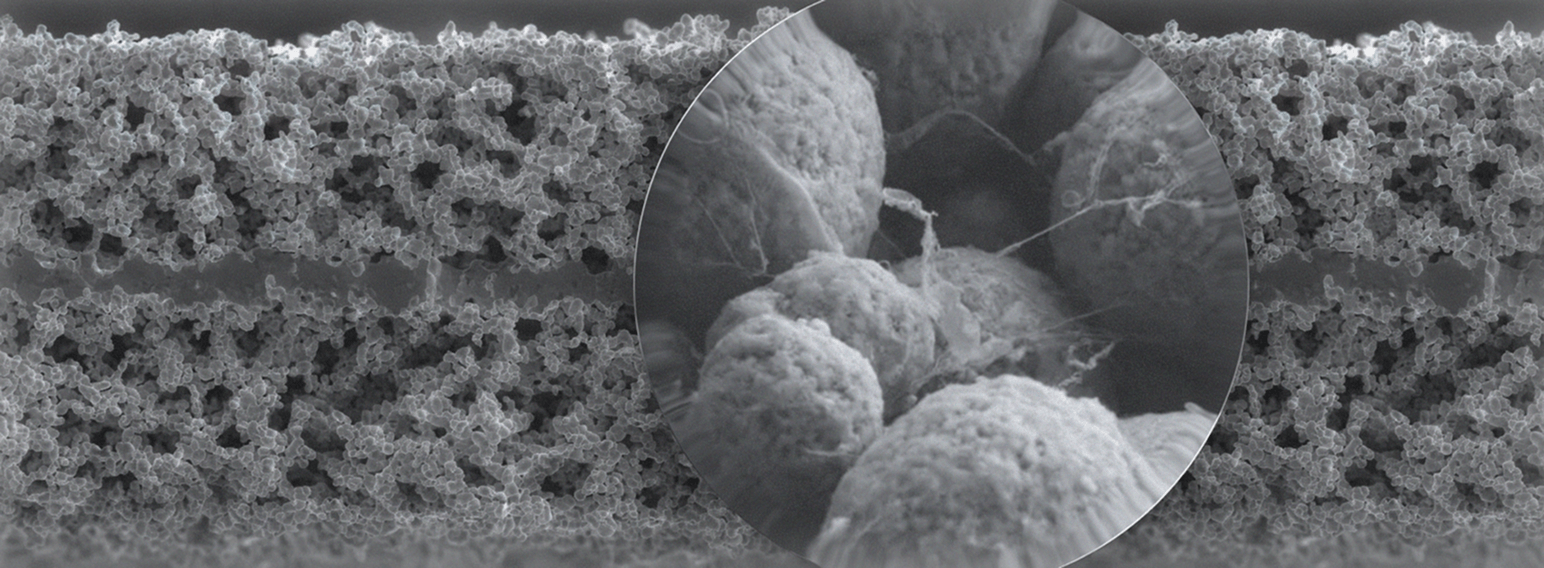
TUBALL™ networks form robust electrode connections, which are essential for the performance of all key battery chemistries.
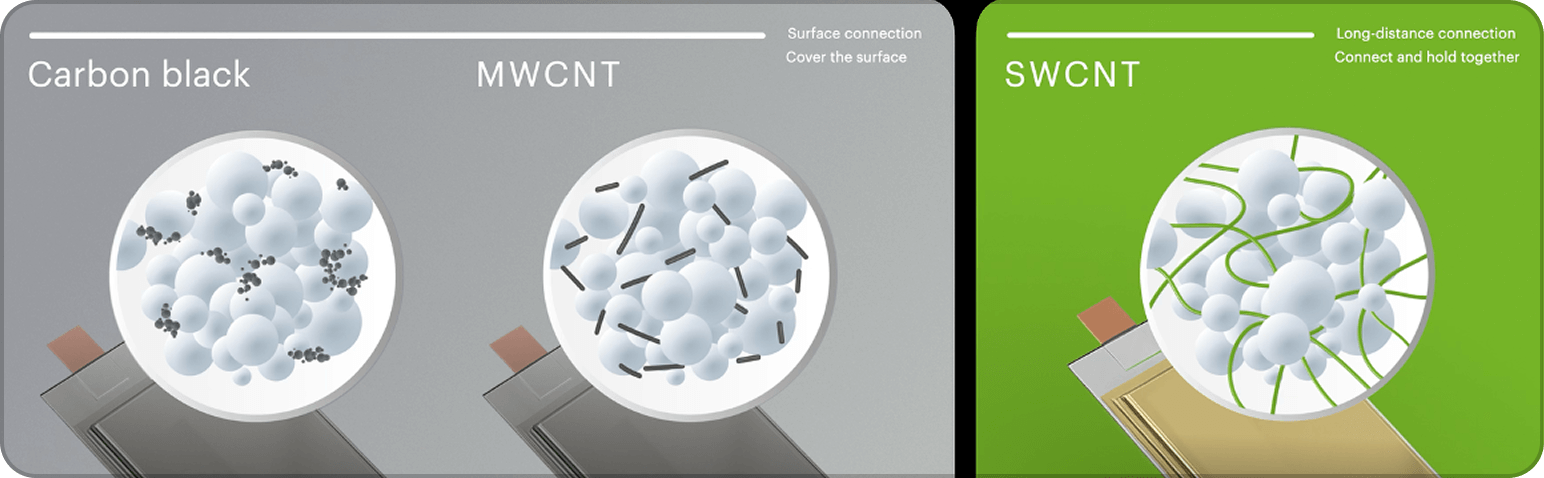
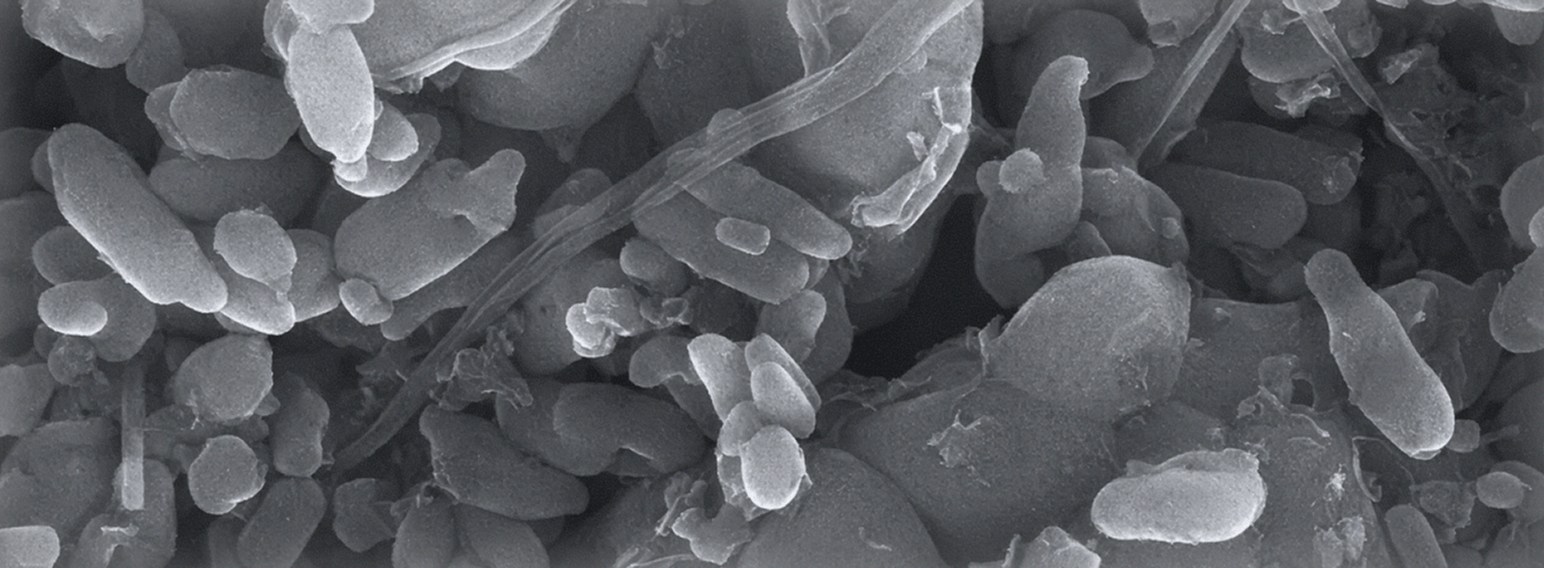
Nanotube’s unique properties result in different behavior in electrodes. While multi wall carbon nanotubes and carbon black provide only surface connections with short-distance conductivity—resulting in higher electrode bulk resistance and unstable connections—single wall carbon nanotubes create robust, long-distance connections that are stable despite active material volume expansion during long-term cycling.
SWCNTs for higher flexibility, less spring-back, and reduced swelling of electrodes
The ability of single wall carbon nanotubes to connect electrode particles over long distances provides flexibility, as well as mechanical and electrical benefits, to both cathodes and anodes.
As a result, compared to electrodes with multi wall carbon nanotubes, those incorporating single wall carbon nanotubes demonstrate reduced spring-back after calendering, higher flexibility, lower electrode swelling after cycling, and more uniform conductivity.
Imate li pitanja ili ideje za nove primene grafenskih nanocevi?
ANODES Silicon
Only single wall carbon nanotubes are able to guarantee robust electrical connections between active material particles despite severe silicon-based anode volume expansion during cycling, thus drastically mitigating silicon anode degradation. The more silicon in the anode, the more essential the use of SWCNTs in the design becomes.
Graphite anodes need to be thin and highly electrically and thermally conductive in order to charge quickly. But thin electrodes reduce the energy density of the battery. TUBALL™ reduces anode swelling after cycling and spring-back after calendering, increasing battery energy density.
TUBALL™ nanotubes work at ultralow concentrations, allowing Li-ion battery makers to maintain overall low dosage of conductive additives in single-crystal NCM, increasing cell energy density.
Robust TUBALL™ networks improve cohesion between electrode particles, increasing the durability and flexibility of the electrodes, allowing battery makers to design L(M)FP cells with record-high active material loadings.
The addition of TUBALL™ SWCNTs enhances the electrical conductivity and structural integrity of high-nickel cathodes. This improvement enables lower battery DCR, which results in higher safety.
Unique robust TUBALL™ networks provide flexibility, mechanical reinforcement, and exceptional conductivity to battery electrodes regardless of their chemistry. This is why TUBALL™ is an essential part of both today’s and tomorrow’s battery cell chemistries.
As an example, in dry battery electrodes, TUBALL™ + PTFE composite unlocks stable, high-conductivity performance, while in semi-solid and solid-state batteries, TUBALL™ enables thick-electrode designs with superior ion–electron balance—delivering higher energy, longer life, and greater efficiency.
Making Room for Silicon: Including SiOx in a Graphite-Based Anode Formulation and Harmonization in 1 Ah Cells
Graphite anode recipe is redesigned by replacing 22 wt.% of graphite with SiOx and then carefully rebalancing carbon black, CMC and SBR, finally swapping a small part of carbon black for just 0.1 wt.% SWCNT to build a stronger, more conductive network. With this optimized SiOx/graphite + SWCNT anode they scale up to 1 Ah NMC811//SiOx-graphite pouch cells and show that electrolyte choice, especially FEC content, becomes the main lever: low-additive electrolytes give better rate capability, while a high-FEC electrolyte extends life to ~368 cycles above 80% SOH compared to ~250 cycles for the baseline
3D Carbon Coating Enabled High-capacity and Stable Micro-sized Silicon Suboxide-graphite Blended Anodes for Practical Lithium-ion Batteries
SiOx wrapped in 3D carbon layers keeps its capacity far better because the carbon shell absorbs the violent volume swings, protects the surface, and maintains fast electron/Li⁺ pathways. Compared to standard SiOx–C, this 3D-carbon SiOx stays mechanically intact, shows much higher initial efficiency, and preserves its capacity over long cycling—making it a genuinely practical option for commercial SiOx–graphite anodes.
Degradation Diagnostics on Si/C-Graphite Composite Anode with Different Conductive Agent
SWCNTs keep the Si in the Si/C–graphite anode fully electrically active during cycling, removing Si-inactivation as a degradation pathway and leaving reversible lithium-inventory loss as the only cause of fading. With VGCF, part of the capacity loss still comes from Si becoming electrically isolated, showing a clear difference in how the two additives shape the internal degradation behavior even though the full cells end up with similar long-term retention.
Nanoscale Visualization of the Electron Conduction Channel in the SiO/Graphite Composite Anode
SWCNTs form a much more durable electron-conduction network in SiO/graphite anodes than carbon black. With artifact-free C-AFM imaging, it becomes clear that SWCNT electrodes maintain strong current pathways and resist particle damage during cycling, while carbon-black electrodes lose connectivity as cracks and SEI growth break the network.
Preparation of Tough, Binder-Free, and Self-Supporting LiFePO4 Cathode by Using Mono-Dispersed Ultra-Long Single-Walled Carbon Nanotubes for High-Rate Performance Li-Ion Battery
Mono-dispersed ultra-long SWCNTs create a continuous conductive and mechanical network that enables binder-free and self-supporting LFP cathodes with high-rate performance at extremely low additive loadings. The SWCNT framework delivers up to 130.2 mAh g⁻¹ at 5C and 90.7 mAh g⁻¹ at 20C, while providing exceptional mechanical strength, low charge-transfer resistance, and stable cycling without conventional binders or current collectors.
Optimisation of Industrially Relevant Electrode Formulations for LFP Cathodes in Lithium Ion Cells
SWCNTs are identified as the most effective conductive additive for high-loading LFP electrodes, providing superior long-range electronic pathways and significantly improving high-rate performance compared with graphite alone. The study shows that increasing SWCNT content reduces electrode resistance and enables 5C:0.2C capacity ratios above 50% while maintaining industrially relevant active material loadings above 94 wt%.