


2026年10月8日
[💡R&D] Silicon anodes that maintain their performance after 1,000 cycles. 🔋
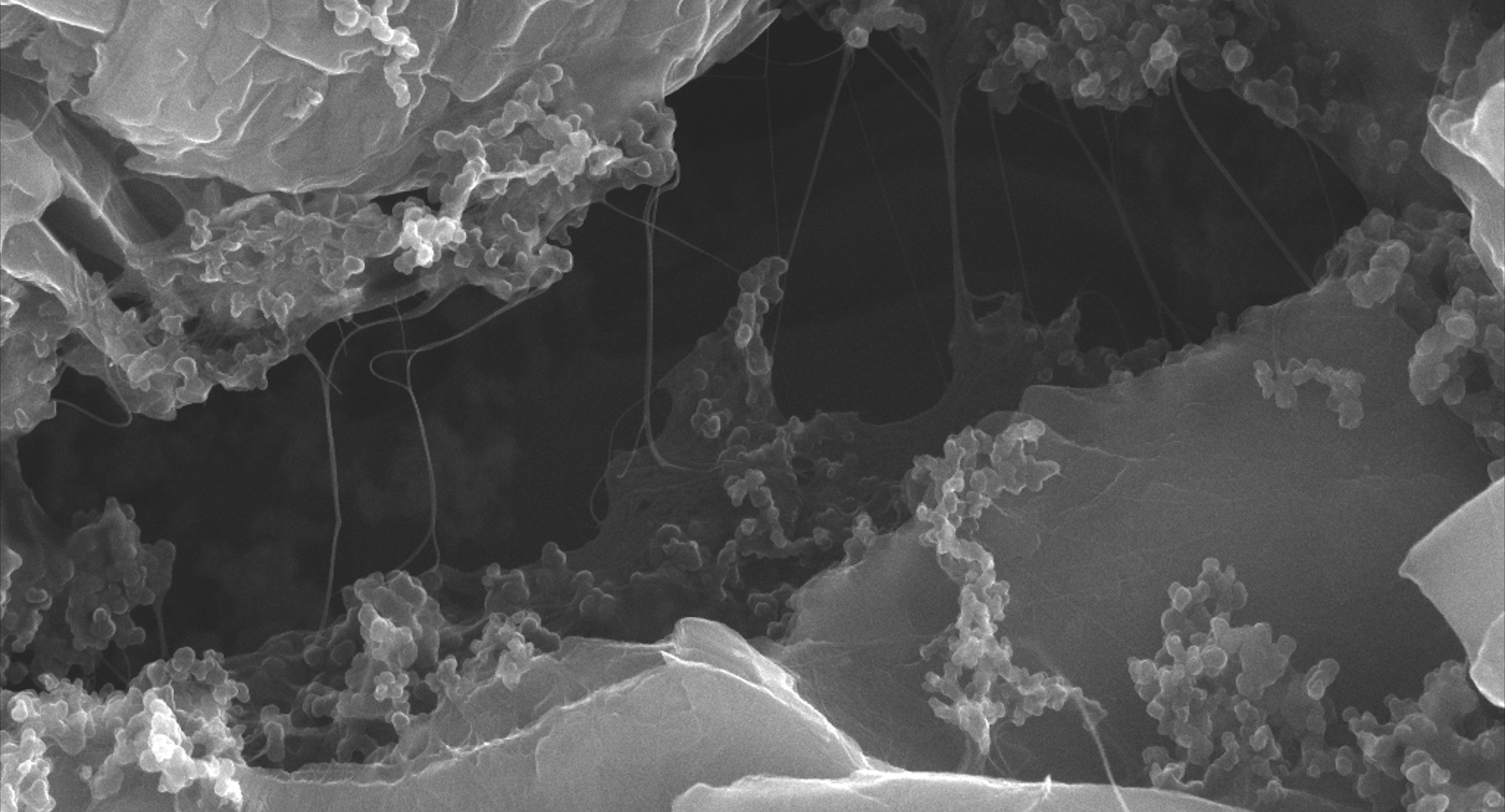
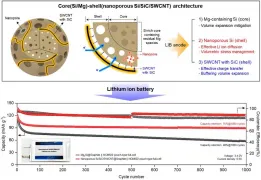
Researchers from Korea Electrotechnology Research Institute (KERI) have developed a special core–shell silicon structure using TUBALL™ single wall carbon nanotubes. The design helps the anode withstand silicon expansion while keeping electricity flowing as the battery charges and discharges.
This allowed the researchers to blend 20 wt.% of their Si-based composite with graphite—well above the ~5% typical industrial level cited in the study. In pouch cells, the technology delivered 275 Wh/kg and retained 75% capacity after 1,000 cycles.
Read the full study: https://lnkd.in/eDRiBTW8
#siliconanodes #BatteryInnovation #NextGenBatteries #batteries
Read on Facebook LinkedInResearchers from Korea Electrotechnology Research Institute (KERI) have developed a special core–shell silicon structure using TUBALL™ single wall carbon nanotubes. The design helps the anode withstand silicon expansion while keeping electricity flowing as the battery charges and discharges.
This allowed the researchers to blend 20 wt.% of their Si-based composite with graphite—well above the ~5% typical industrial level cited in the study. In pouch cells, the technology delivered 275 Wh/kg and retained 75% capacity after 1,000 cycles.
Read the full study: https://lnkd.in/eDRiBTW8
#siliconanodes #BatteryInnovation #NextGenBatteries #batteries