Clean-room
ESD gloves
Graphene nanotubes for
clean-room ESD gloves:
industry standard compliance
and color variety
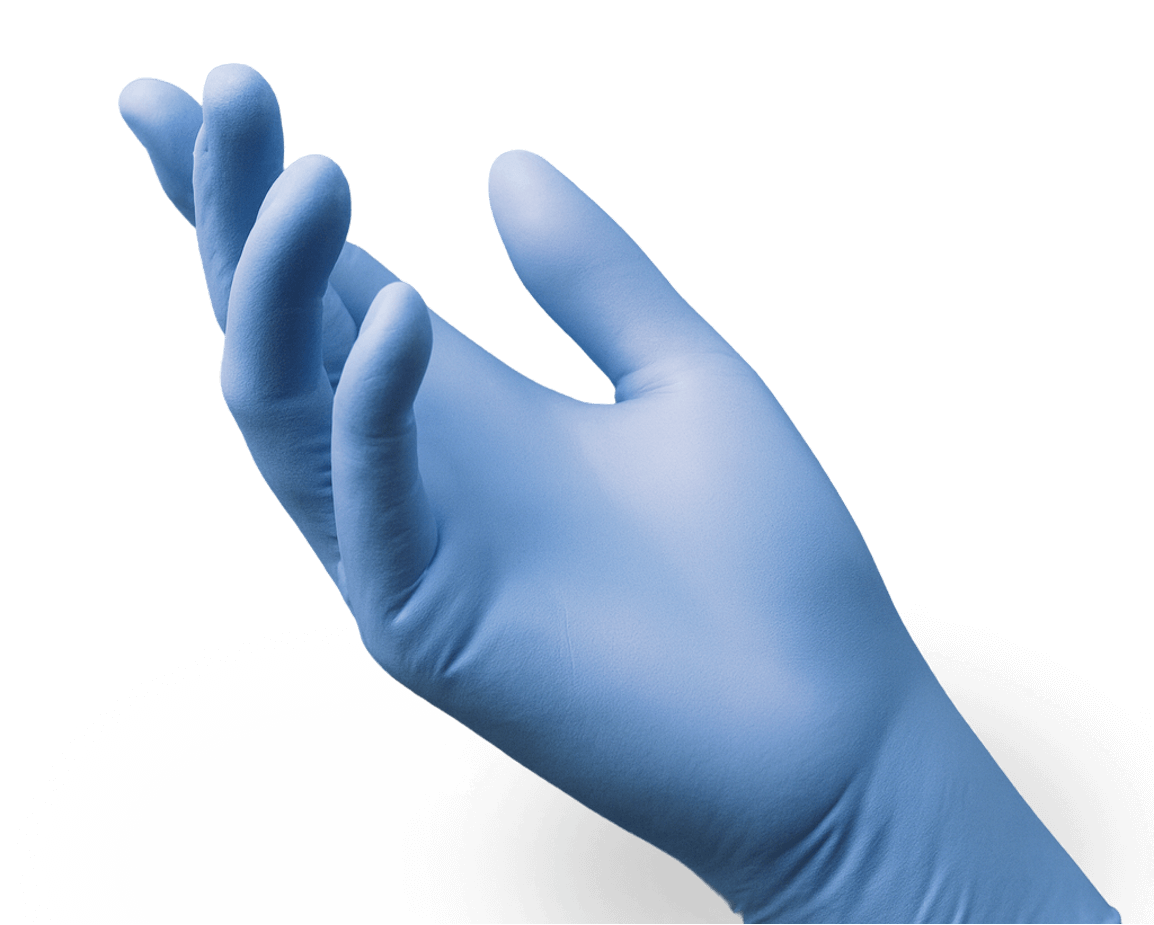
Clean-room gloves classified as ISO Class 4–8 must be anti-static to prevent electrostatic discharge (ESD), which can damage sensitive electronics or disrupt production. Graphene nanotubes are the only material currently available on the market that provides a permanent, humidity-independent anti-static effect in nitrile gloves while requiring only minimal changes to the manufacturing process. The resulting electrical conductivity not only ensures reliable ESD protection in compliance with clean-room glove standards (IEC 61340-4-9 and ANSI STM11.11) but also enables seamless touch-screen use without removing the gloves and wide color variety.
Contact us to discuss your project specifications or to request a TUBALL™ product sample
Main properties
Electrical resistivity of
<1.0 × 10⁸ Ω
Compliance with
international
standards
Touch-screen
compatibility
Color
flexibility

Anti-static clean-room gloves

What are clean-room gloves?
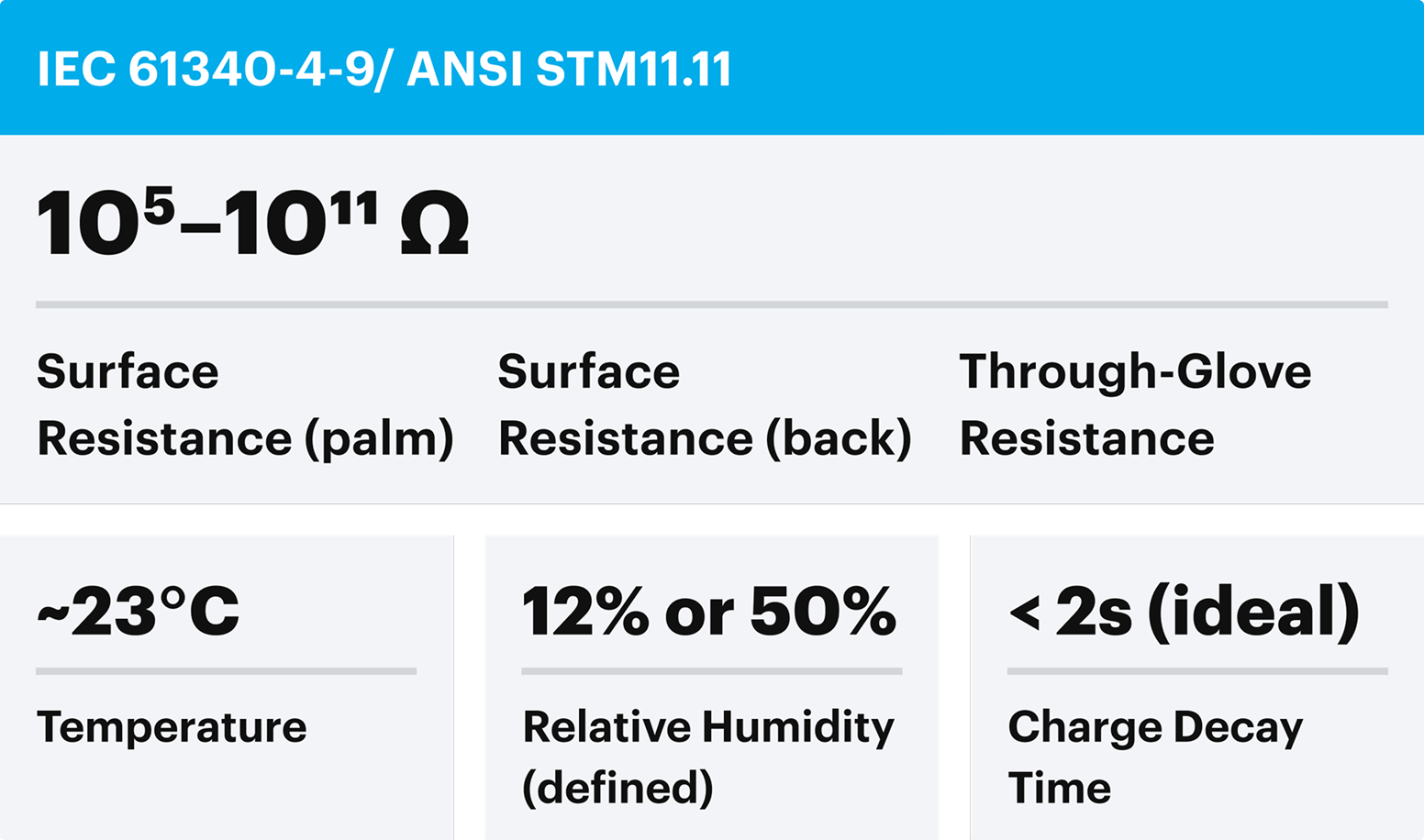
Clean-room gloves are essential for contamination control and ESD protection, primarily in electronics, semiconductors, aerospace, and pharma. They protect both workers and sensitive products. Anti-static gloves are engineered to safely dissipate static electricity from workers’ hands, protecting sensitive equipment and processes in such environments as electronics manufacturing or pharmaceutical production sites. To ensure effective ESD protection, they must meet strict volume resistivity requirements—below 10⁵–10¹¹ Ω—in compliance with the IEC 61340-4-9 / ANSI STM11.11 standards as well as preserving other vital properties such as particle generation, low outgassing, clean-room classification, and chemical resistance.

Graphene nanotubes surpass traditional additives
Ultra-long, electrically conductive, and flexible, graphene nanotubes form a 3D conductive and reinforcing network inside materials at extremely low dosages of 0.06–0.1 wt.%. The unique properties of nanotubes make it possible to maintain resistance to microbial attack, abrasion, alkali, and hydrolysis, while enhancing durability, ESD reliability, and a special soft-feel effect. This allows them to show better results compared to conventional conductive agents in all parameters of the modified material.
- Diagram
- Table
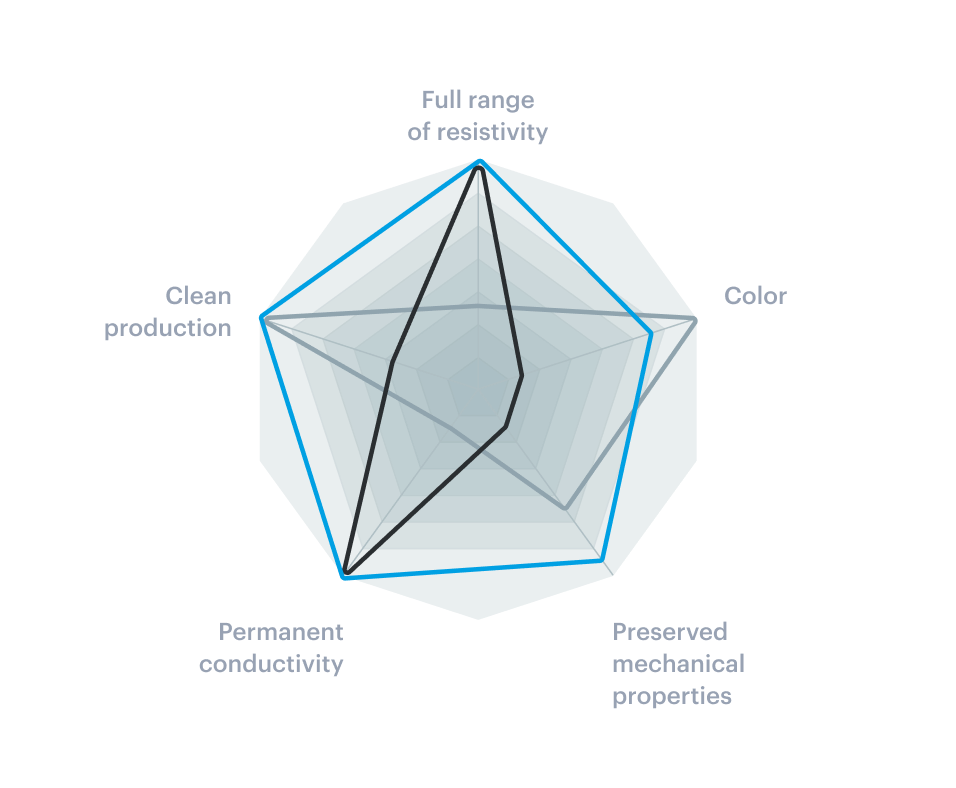
- TUBALL™ graphene nanotubes
- Carbon black
- Ammonium salts
* This diagram provides average trends compared with other additives, based on OCSiAl data. Product performance may vary depending on product type and formulation.
Gloves’ compliance with ESD glove standards
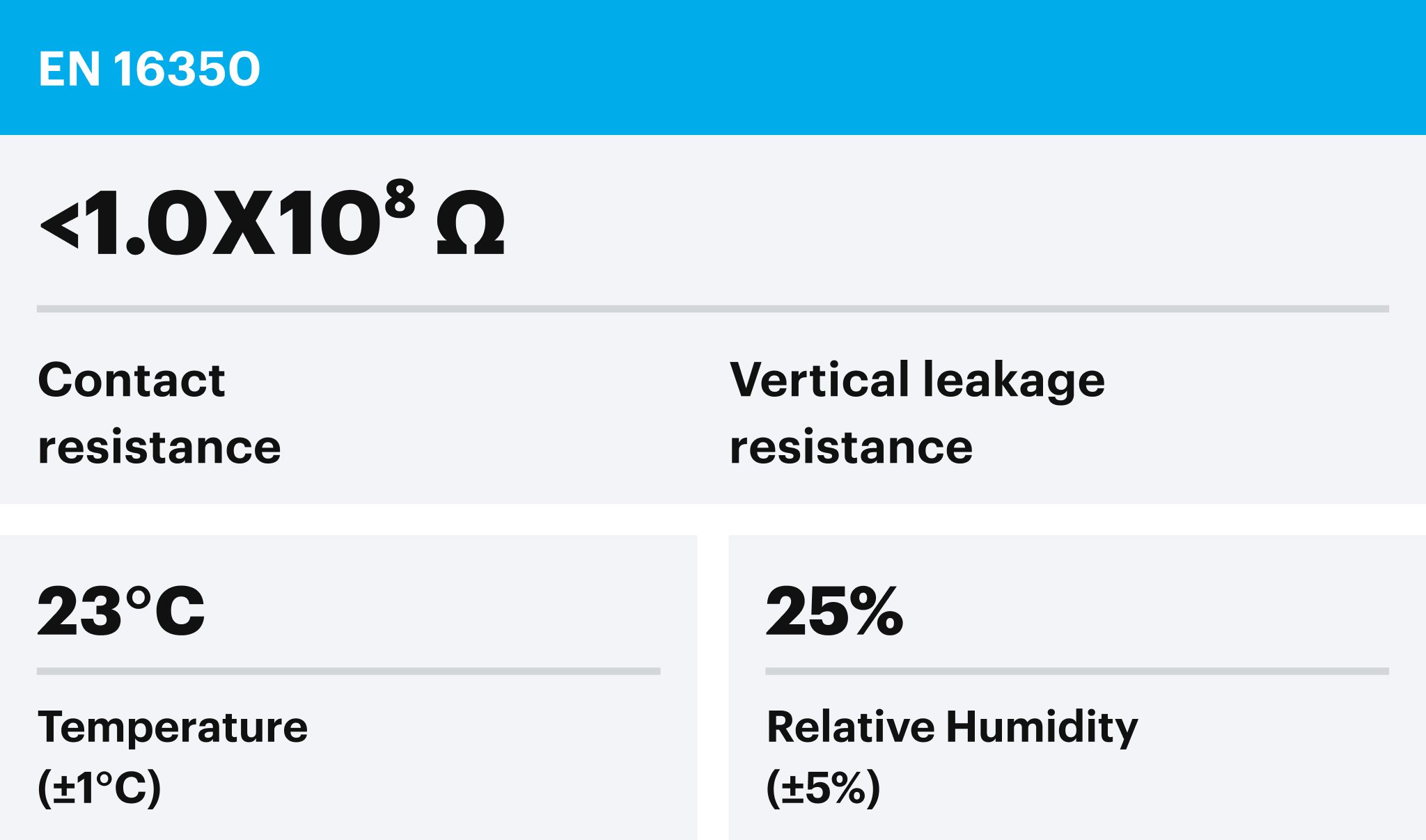
As industrial automation advances, ESD safety standards are becoming stricter. The IEC 61340-4-9 / ANSI STM11.11 and EN 16350 standards for gloves raised the bar, limiting the use of many traditional anti-static additives. Graphene nanotubes rise to the challenge, delivering permanent, humidity-independent conductivity that fully complies with the latest standards in ESD protection as well as providing required performance to clean-room gloves suitable for electronics, semiconductors, EV batteries, and many more applications classified as ISO Class 4–8.

Wide variety of colors
Thanks to an ultralow working dosage, graphene nanotubes make it possible to achieve required anti-static performance in all water-based latex systems while preserving color variety.


Compatibility with touch-screens
TUBALL™ graphene nanotubes deliver reliable anti-static protection while enabling seamless touch-screen use—no need to remove your gloves. They protect both workers and sensitive products, combining safety with convenience.

프로젝트 사양을 논의하거나 TUBALL™ MATRIX 샘플을 요청하시려면 문의해 주세요

Additional benefits
Robust
conductive coating
Standard
dipping process
Maintained mechanical
properties
Dust-repellent
performance

Ready-to-use forms of nanotubes
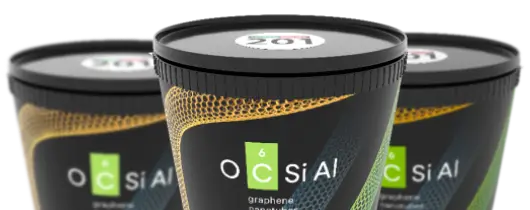
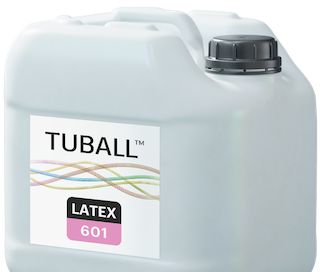
TUBALL™ graphene nanotubes are available in the industry-friendly form of a suspension that is compatible with all latex types. It is designed to integrate seamlessly with standard processes and equipment. The dispersion can be added during the latex compounding stage and doesn’t affect the manufacturing process.
제품 가공 가이드라인 및 추가 기술 문서가 필요하시면 문의해 주세요

TUBALL™ LATEX
색상 구현이 요구되는 라텍스 시스템을 위한 대전 방지 첨가제: 기존 공정을 통해 손쉽게 적용 가능, 여러 ESD규격에 부합된 물성 구현 가능
Related video
ESD Colored Latex Gloves: New Standard
Media on graphene nanotubes in gloves
 게시일:
게시일:OCSiAl licences nanotube technology to latex gloves maker
https://www.european-rubber-journal.com/article/2093708/ocsial-licences-graphene-nanotube-tech-to-sri-lanka-latex-maker 게시일:
게시일:Graphene nanotubes outperform PPE alternatives
https://www.innovationintextiles.com/graphene-nanotubes-outperform-ppe-alternatives/ 게시일:
게시일:Protective Equipment with Graphene Nanotubes Meets the Strictest ESD Safety Standards
https://www.pcimag.com/articles/110179-protective-equipment-with-graphene-nanotubes-meets-the-strictest-esd-safety-standards- 게시일:
New standard for anti-static and ESD gloves – New Solution
https://www.european-rubber-journal.com/article/2064014/new-standard-for-anti-static-and-esd-gloves-new-solution
Scientific validation

Supercapacitors
Single-Wall Carbon Nanotube Latexes
게재일:

Supercapacitors
Natural Rubber-Carbon Nanotube Composites through Latex Compounding
게재일:
Supercapacitors
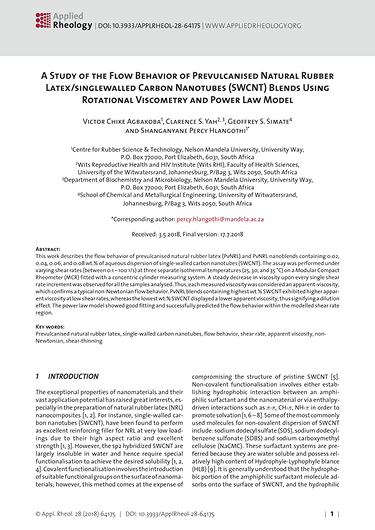
A study of the flow behavior of prevulcanised natural rubber latex/singlewalled carbon nanotubes (SWCNT) blends using rotational viscometry and power law model
게재일: