Automotive

Automotive

Graphene nanotubes for next-gen automotive: functionality and energy efficiency

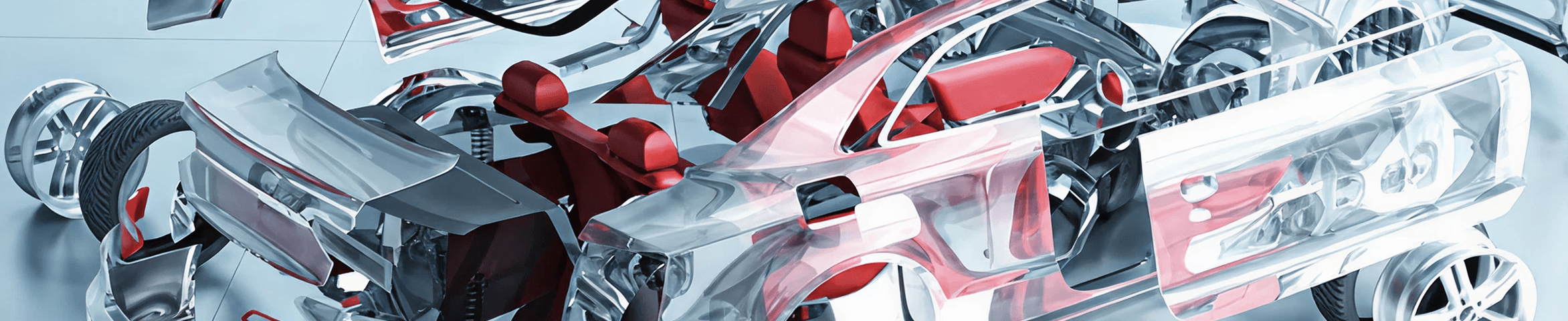
The transport of the future requires new materials that will make vehicles intelligent, functional, and energy-efficient. Revolutionary graphene nanotube-based solutions for the automotive industry meet this challenge, driving forward the sustainable transformation. Graphene nanotubes help automotive manufacturers to optimize cost-efficiency and improve the performance of various car components. The use of elastomers, thermoplastics, and thermosets reinforced with graphene nanotubes expands the limits on the development of completely new cars with lightweight bodies; safe and energy-efficient tires; smart interiors; and long-lasting, high-performance batteries for EVs.

Graphene nanotubes–ultimate additive for electrodes

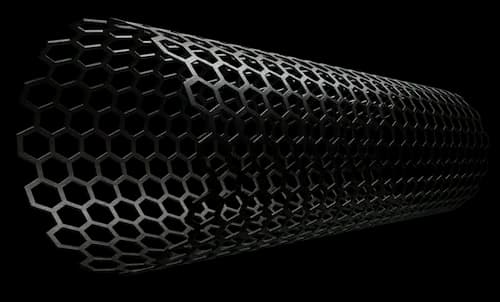
A graphene nanotube, also called a single wall carbon nanotube, can be described as a one-atom-thick graphene sheet rolled into a tube more than 5 µm in length and 1.6 nm in width. These nanotubes—nature’s longest and most flexible material for conductivity and reinforcement of electrodes, including high-performance cathodes, thick electrodes, silicon anodes, and semi-solid batteries.

APPLICATIONS_QUESTIONS

  • EV lithium-ion batteries

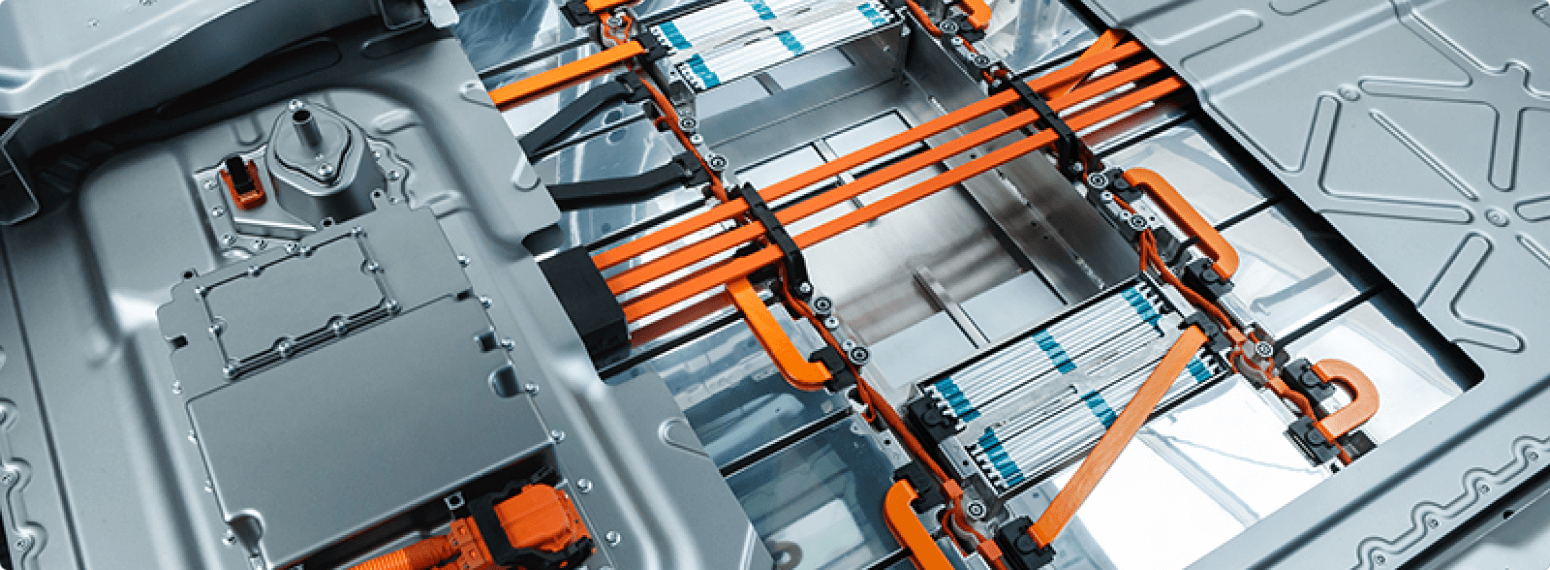
    Graphene nanotubes—nature’s longest and most flexible material for conductivity and reinforcement of electrodes—resolve the major technological challenge of improving electric vehicle battery energy density, charge rate, and service life. Nanotubes serve as enablers for all new battery technologies.

    READ_MORE
    EV lithium-ion batteries
  • Car body parts

    Graphene nanotubes inside thermoplastics enable in-line electrophoretic painting of car plastic exterior parts together with metal components. They provide the polymer matrix with homogeneous electrical conductivity while preserving product durability and strength.

    Car body parts
  • Automotive rubber parts

    Increased durability, mechanical property stability, retained elasticity, and electrical conductivity are enabled by graphene nanotubes in rubber car parts. This set of properties is crucially important for car seals, O-rings,  hoses, ignition wire cores, and cable connectors.

    READ_MORE
  • Car interiors

    Nanotube-enhanced car seats, panel surfaces, and electronic screen coatings provide superior comfort, functionality, and safety, while also making cleaning easier.

    READ_MORE

APPLICATIONS_CONTACTS_TITLE

APPLICATIONS_MEDIA_TITLE Automotive

  • SCIENTIFIC_VALIDATION_TITLE

    Polyurethane
    Polyurethane

    OCSiAl highlights the efficacy of its graphene nanotubes as antistatic agents in PU

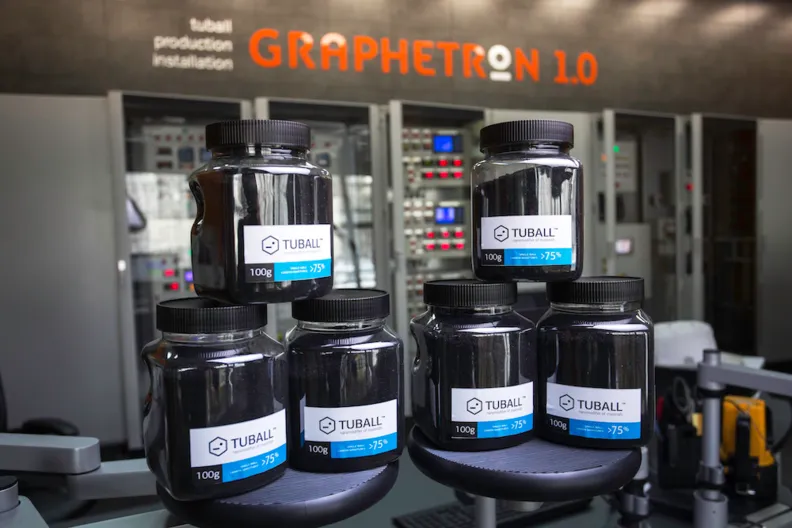
    Tuball™ products are not only able to overcome the previous difficulties with nanotube dispersion in PU systems, but they are also effective replacements for the ammonium salts and carbon black antistatic agents conventionally used in PU applications.


    Published:
    Rubbers
    Rubbers

    Effects of Single-Walled Carbon Nanotubes on the Performance of Fluororubber Containing Carbon Black/Silica Hybrid Filler

    Incorporating small amounts of SWCNTs into CB/silica-filled FKM creates a dense filler network that significantly enhances crosslink density, mechanical strength (up to ~90% tensile and ~105% tear improvement), wear resistance, and electrical conductivity, while optimizing properties at low loadings before agglomeration at higher concentrations limits performance.


    Published:
    Rubbers
    Rubbers

    Improvement in thermal durability of fluorinated rubber by the addition of single-walled carbon nanotubes as a thermally stable radical scavenger

    Incorporating small amounts of CNTs into fluorinated rubber leverages their radical scavenging ability to stabilize thermal degradation processes, dramatically increasing the continuous use temperature from ~200 °C to 340 °C and significantly expanding the material’s high-temperature application range.


    Published:

    APPLICATIONS_VIDEOS_TITLE

    • Synthetic leather car seats: Improved comfort & dust resistance

    • Graphene nanotubes in hospital mattress toppers: How do they guarantee device accuracy & cleanliness?