Synthetic leather
Graphene nanotubes for synthetic leather: Safety and dust resistance with color variety
Graphene nanotubes provide polyurethane with durable anti-static and anti-dust performance, helping artificial leather used in automotive and industrial seating, at medical and pharmaceutical facilities, in safety shoes and workwear, remain clean and protected from electrostatic buildup, with minimal maintenance.
Nanotube-enhanced synthetic leather allows for a wide variety of colors and offers broad design flexibility. Nanotubes also provide non-marking properties to leather as no carbon release occurs at the material’s surface. Such synthetic leather can be a high-performance, long-lasting alternative to expensive, hard-to-maintain genuine leather and other textile materials.
Contact us to discuss your project specifications or to request a TUBALL™ product sample
Main properties
Stable resistivity:
10⁴–10¹¹ Ω/sq
Dust-repellent
performance
Colorful,
non-marking surface

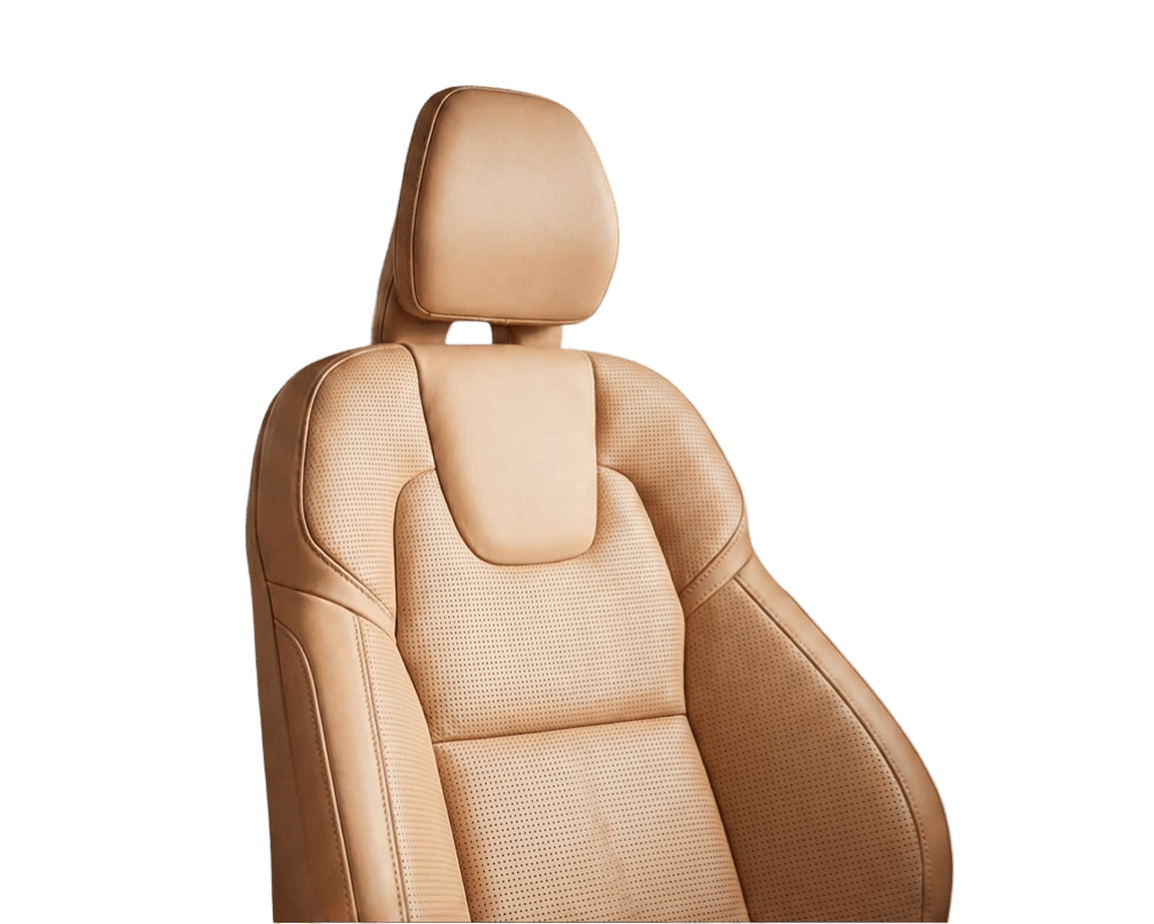
Graphene nanotubes for car seats

Why PU over leather?
PU synthetic leather is widely used as an alternative to natural leather due to its consistent quality, controlled properties, and suitability for large-scale production. Unlike natural leather, which can vary in structure, thickness, price, and appearance, PU materials are engineered to deliver uniform performance and predictable processing behavior, reducing waste and improving manufacturing efficiency. In addition, PU leather allows precise adjustment of mechanical and surface properties to meet specific application requirements. It also enables the incorporation of functional additives. For example, anti-static PU leather can provide controlled electrical conductivity for ESD-sensitive environments or added functionality.

Graphene nanotubes outperform standard additives
TUBALL™ graphene nanotubes provide an excellent combination of properties for polyurethane. In contrast to carbon black, they enable conductivity in polyurethane while preserving hardness and tensile strength. The advantage of nanotubes over ammonium salts is in enabling permanent electrical conductivity in thermoset compounds.
- Diagram
- Table
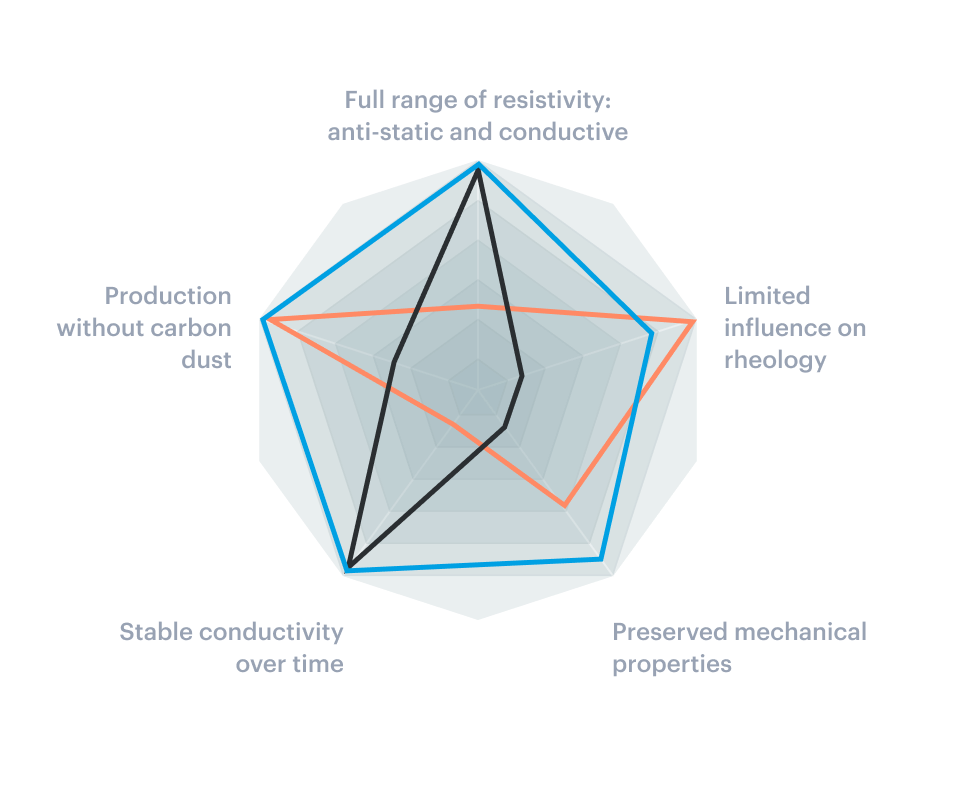
- TUBALL™ graphene nanotubes
- Carbon black
- Liquid anti-static agents
* This diagram provides average trends compared with other additives, based on OCSiAl data. Product performance may vary depending on product type and formulation.

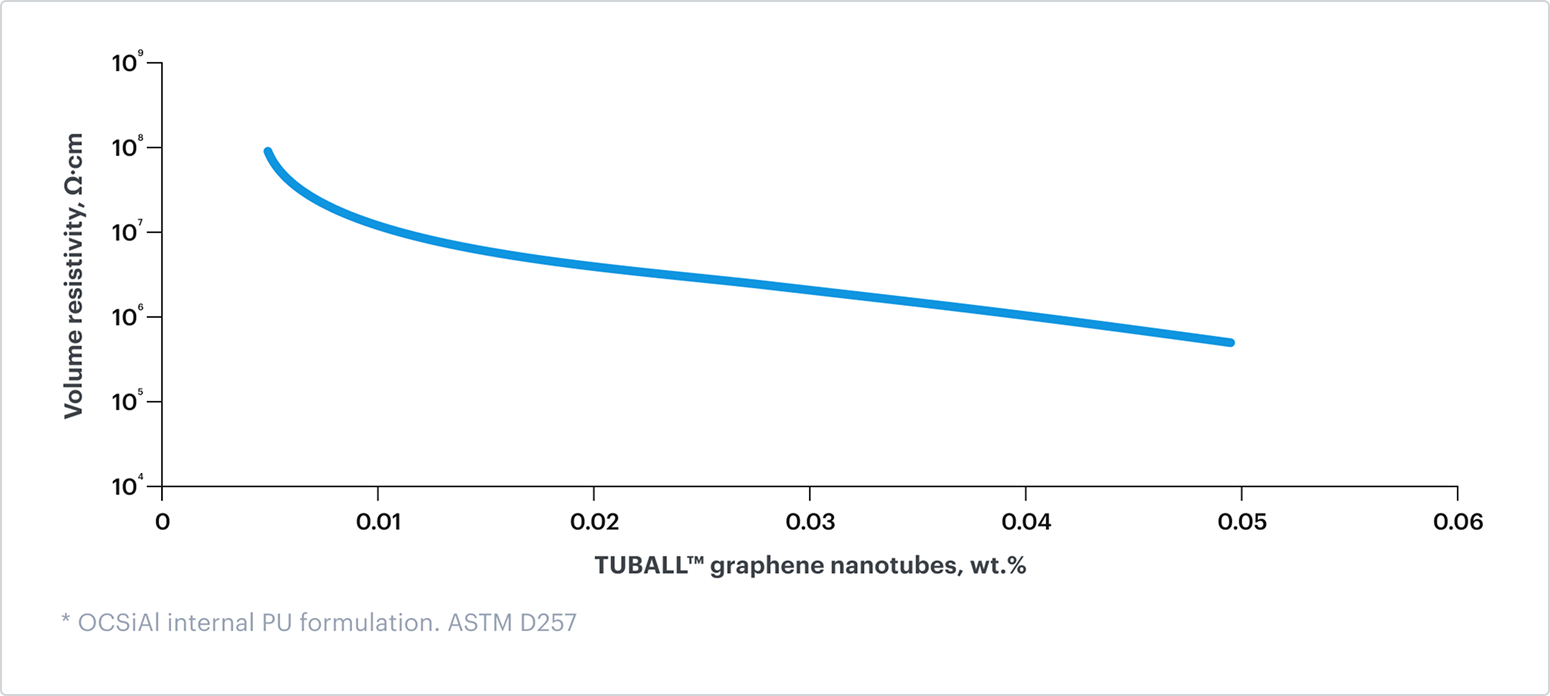
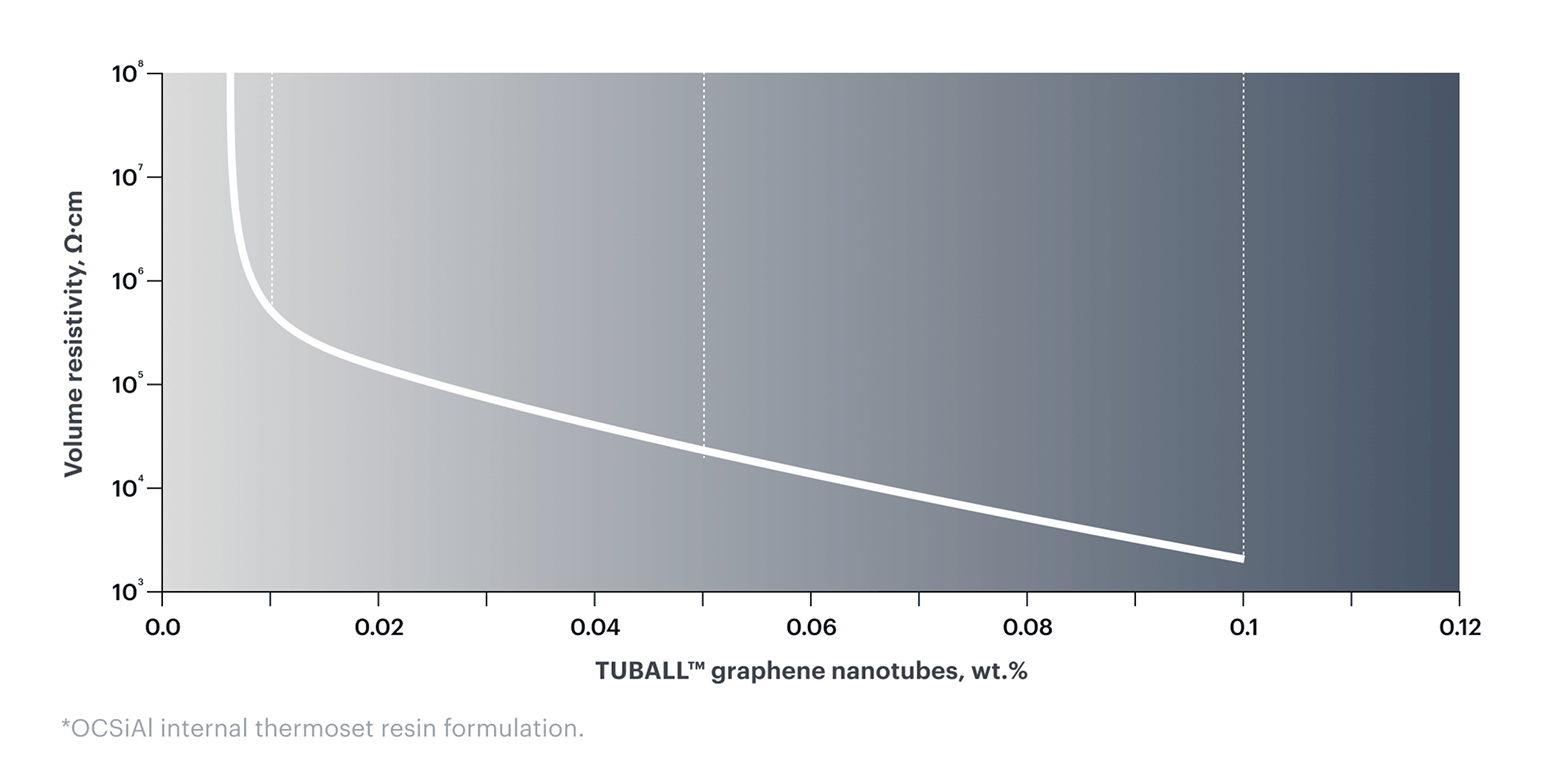
Full range of electrical conductivity
TUBALL™ graphene nanotubes form a uniform 3D conductive network, enabling stable anti-static to conductive performance without degradation throughout the entire service life and without insulative “hot spots.” This helps surfaces such as car seats and hospital beds repel dust, prevent static buildup, and helps protect sensitive electronic devices from electrostatic discharge.

Possibility for colored products
The tiny working amount of TUBALL™ graphene nanotubes makes it possible to combine electrical conductivity with broad color possibilities, helping to maintain good aesthetics.
Kontaktieren Sie uns, um Ihre Projektspezifikationen zu besprechen oder ein TUBALL™ MATRIX-Muster anzufordern

Additional benefits
Preserved
durability
Clean
production
Cost-efficiency


Ready-to-apply solutions
TUBALL™ nanotube-based concentrates and suspensions are formulated using polymer carriers with pre-dispersed TUBALL™ graphene nanotubes. They are designed for easy integration into standard processing and formulation systems. Solutions are available for hot-cast, solvent-free, solvent-based, water-based, and latex polyurethane systems, and are suitable for rigid, flexible, and foam PU applications.
Contact us for product processing guidelines and additional technical documentation
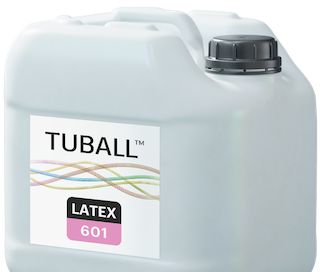
TUBALL™ LATEX
Antistatisches Additiv für eingefärbte Latex-Systeme: einfach zu verwendende Lösung, vollständig konform mit den ESD-Schutz-Normen
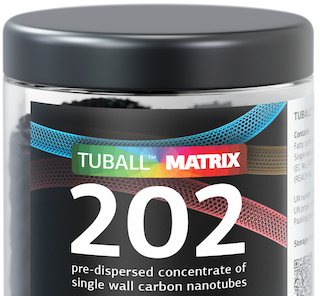
TUBALL™ MATRIX 202
Leitfähiges Additiv für aromatische und aliphatische lösungsmittelfreie PUs (Polyester, Polyether, TDI/MDI usw.) und Phenol-Systeme. Vielseitig anwendbar für PU-Beschichtungen und Gießelastomere. Minimale Einwirkung auf das Basis-Harz dank einer geringeren Arbeitsdosierung im Vergleich zu TUBALL™ MATRIX 209
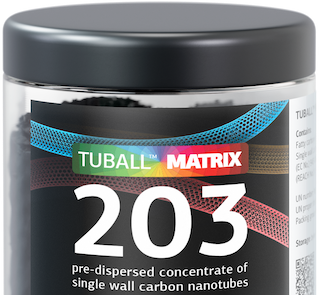
TUBALL™ MATRIX 203
Leitfähiges Additiv auf Basis eines Weichmachers mit einem Stabilisierungsmittel für lösungsmittelbasierte Epoxid- und PU-Beschichtungen ohne Nachteile auf die Farbe und den mechanischen Eigenschaften
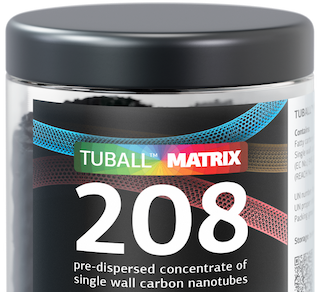
TUBALL™ MATRIX 208
Leitfähiges Additiv auf Basis eines Weichmachers mit einem Stabilisierungsmittel für lösungsmittelbasierte Epoxid- und PU-Beschichtungen ohne Nachteile auf die Farbe und den mechanischen Eigenschaften
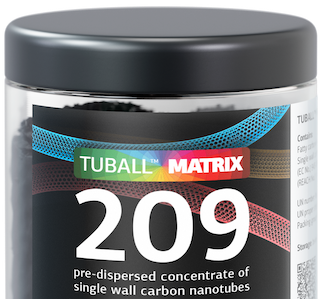
TUBALL™ MATRIX 209
Leitfähiges Additiv für aromatische und aliphatische lösungsmittelfreie PUs (Polyester, Polyether, TDI/MDI usw.) und Phenol-Systeme. Vielseitig anwendbar für PU-Beschichtungen und Gießelastomere. Leichter einzuarbeiten im Vergleich zu TUBALL™ MATRIX 202
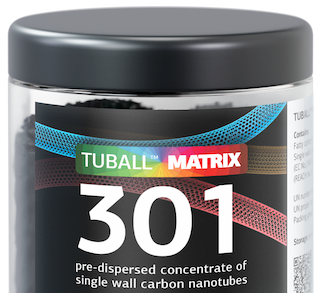
TUBALL™ MATRIX 301
Leitfähiges Additiv auf Basis eines Tensids für lösungsmittelfreie Epoxid- und Polyurethan-Beschichtungen ohne Nachteile auf die Farbe und den mechanischen Eigenschaften. Es wird auch für Epoxid-verbundstoffeempfohlen.
Related video
Graphene nanotubes in hospital mattress toppers: How do they guarantee device accuracy & cleanliness?
Scientific validation
Polyurethane
OCSiAl highlights the efficacy of its graphene nanotubes as antistatic agents in PU
Tuball™ products are not only able to overcome the previous difficulties with nanotube dispersion in PU systems, but they are also effective replacements for the ammonium salts and carbon black antistatic agents conventionally used in PU applications.
Published: