Extraction
and Processing

Extraction and Processing

Graphene nanotubes for extraction and processing: stable ESD protection with enhanced durability

In extraction and processing sectors such as oil & gas, mining, and chemical production, equipment operates under extreme conditions, including corrosion, abrasion, chemical exposure, and high temperatures. Graphene nanotubes provide materials with reliable, electrostatic discharge protection, preventing sparks that pose serious risks in ATEX-sensitive atmospheres, while preserving high durability and strong mechanical performance.

Graphene nanotubes—the key antistatic additive for extraction and processing

Antistatic components enhanced with graphene nanotubes are essential in the extraction and processing industries, providing permanent, humidity- and temperature-independent conductivity while maintaining mechanical strength, color flexibility, and long-term durability.


By safely dissipating static electricity, they prevent ignition risks, ensure reliable operation, and protect equipment, maintaining compliance with ATEX and IECEx safety standards.

Do you have questions or ideas for new applications of graphene nanotubes?

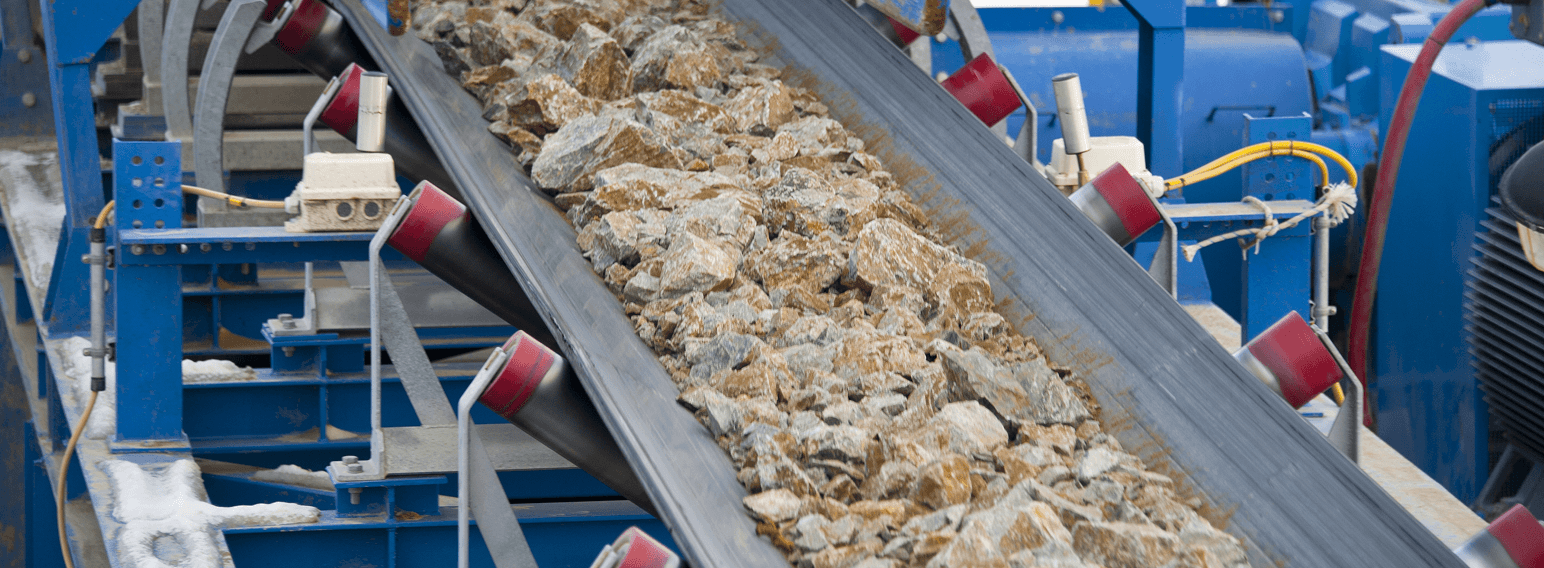
  • Conveyor equipment parts

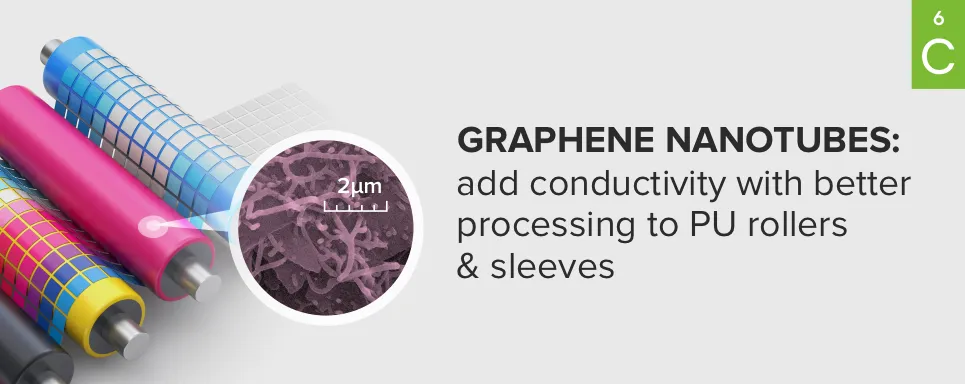
    Graphene nanotube-enhanced rollers, sleeves, and dampers deliver stable ESD-safe performance, preventing static buildup that can damage products or endanger workers. They also offer superior tensile strength, adhesion, and wear resistance, with no carbon migration to the surface.

    Read more
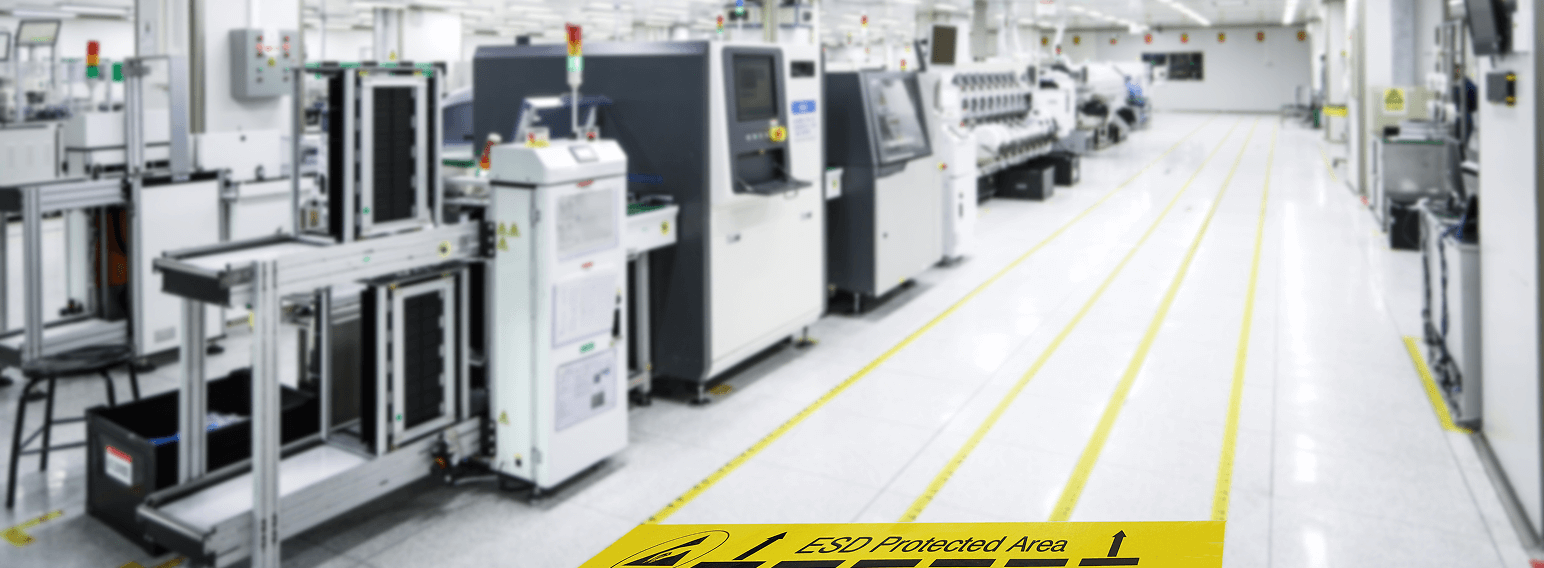
  • Industrial coatings

    Flooring, gelcoats, and various equipment coatings enhanced with graphene nanotubes protect ATEX-sensitive zones from damage and hazards caused by electrostatic discharge, ensuring durability, easy maintenance, and long-term antistatic performance

    Read more
    Industrial coatings
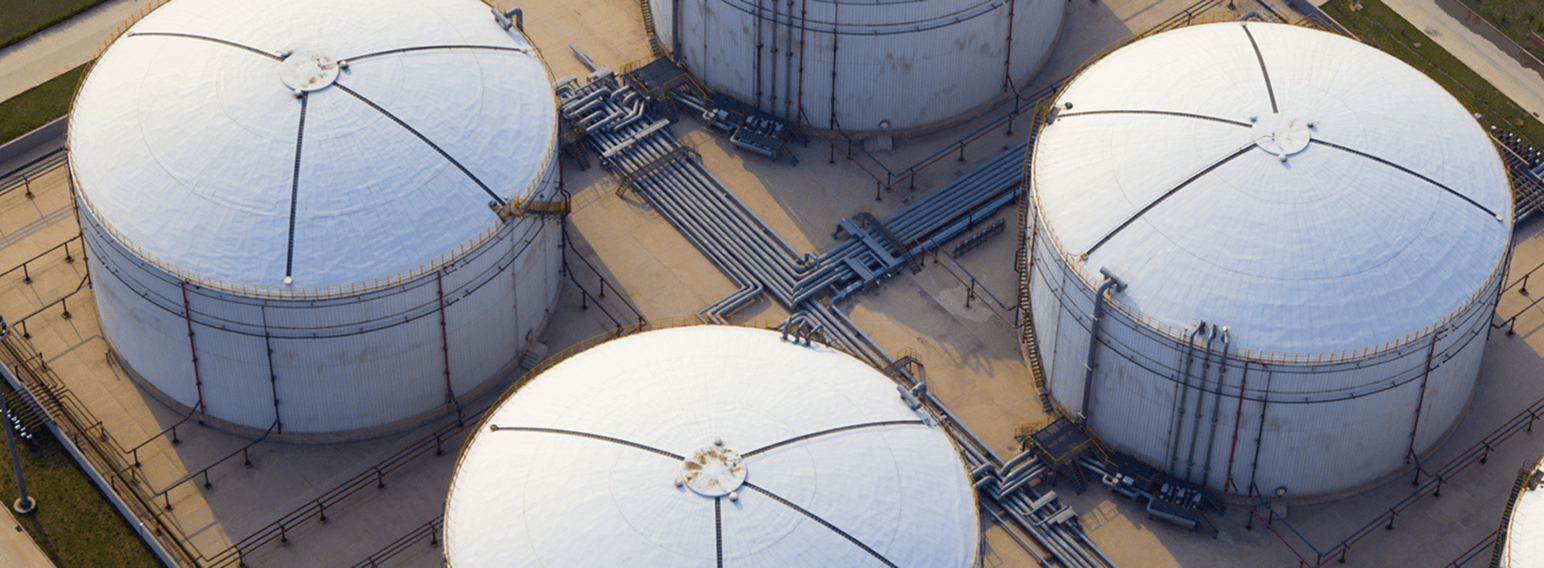
  • Tank lining coatings

    Graphene nanotubes make it possible to produce light-colored, durable storage tank lining coatings with built-in ESD protection, using standard manufacturing technologies and equipment. These advanced linings meet international standards and safety recommendations, including EN 14015, TRbF 401, NFPA 77, and their regional equivalents.

    Read more
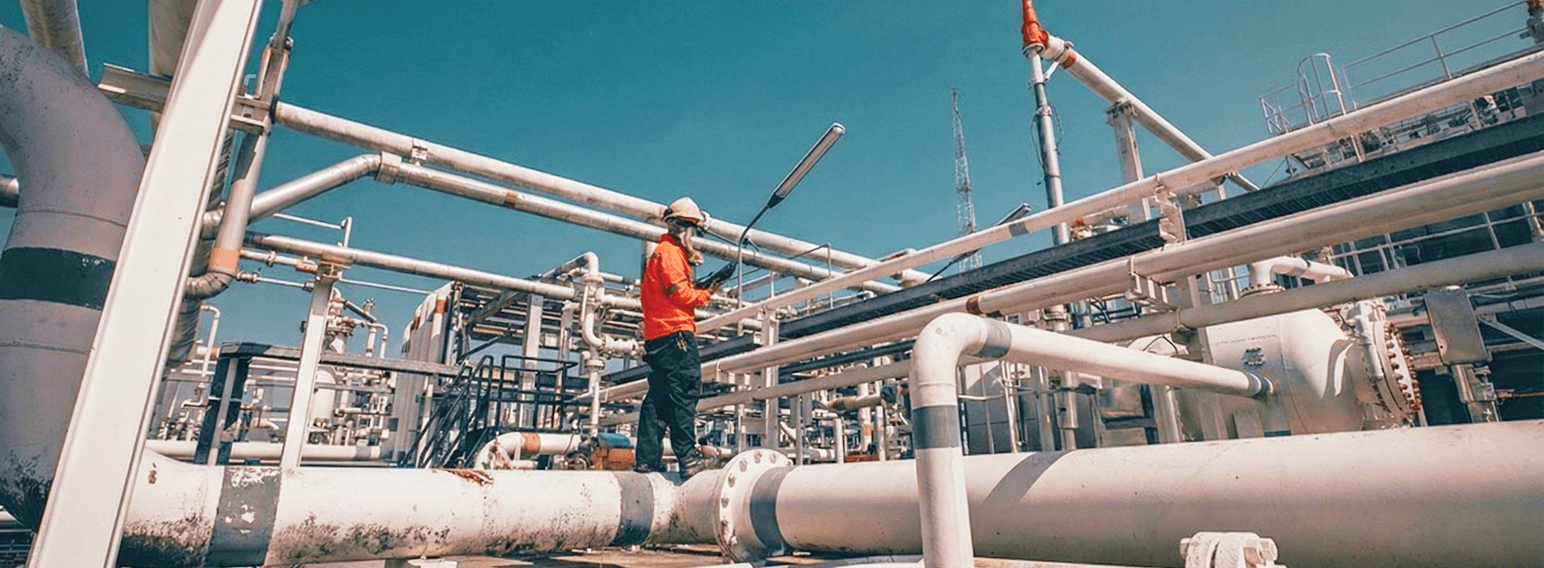
  • FRP composite pipes

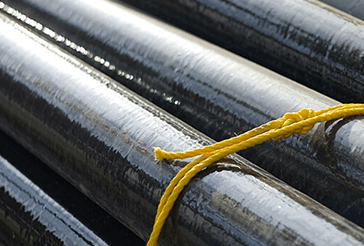
    Graphene nanotubes form a uniform, long-lasting conductive network within epoxy resin, ensuring every part of the pipe safely dissipates static charge throughout its service life. They also remove the need for conductive paint or carbon roving and preserve the pipe’s original mechanical properties.

    Read more
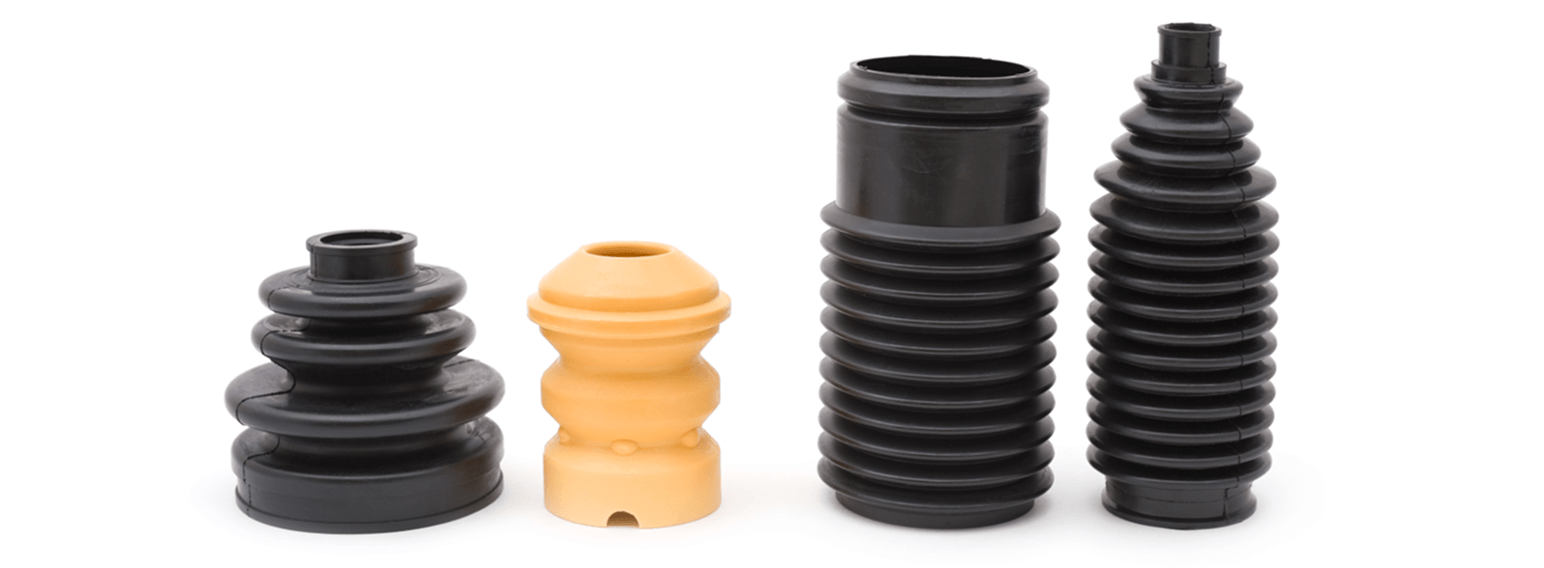
  • Industrial rubber parts

    Antistatic and ESD-protective rubber parts enhanced with graphene nanotubes safely dissipate electrostatic discharges, ensuring regulatory compliance (ATEX/IECEx) and protecting both equipment and personnel. Their improved mechanical strength extends service life and reduces material waste, while the clean, carbon-free surface broadens application possibilities and simplifies handling.

    Read more
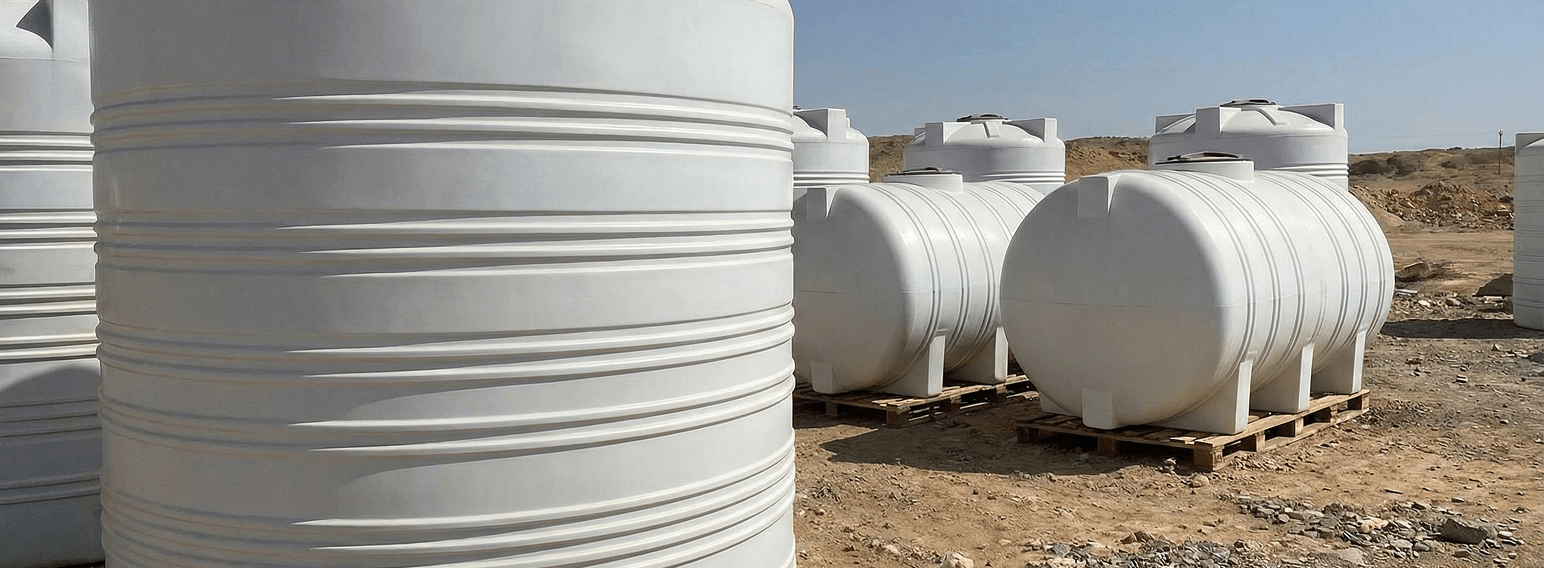
  • Industrial storage

    Rotomolded storage containers and conductive GFRP tanks containing graphene nanotubes deliver permanent, humidity-proof antistatic protection for the safe storage of flammable chemicals. Combining lasting electrostatic safety with exceptional strength and color versatility, they offer durable, customizable storage solutions built to perform over time.

    Read more
  • Protective enclosures

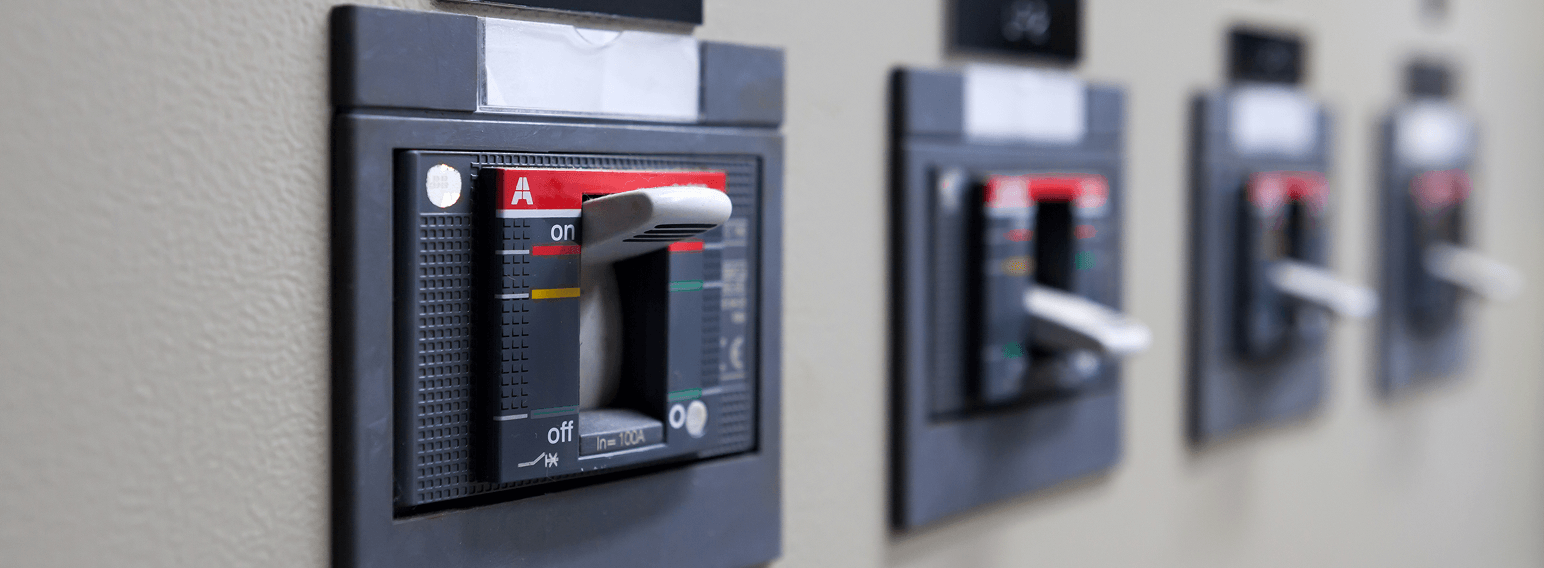
    Antistatic protective enclosures enhanced with graphene nanotubes prevent equipment from becoming an ignition source in hazardous zones, delivering exceptional durability under extreme temperature, humidity, and chemical exposure. They also offer color flexibility and a clean, dust-free production process without carbon black.

    Read more

Welcome more joint R&D projects in this field

Media on graphene nanotubes in Extraction and Processing

  • Scientific validation

    Composites
    Composites

    Interlocking Matrix and Filler for Enhanced Individualization and Reinforcement in Polymer–Single-Walled Carbon Nanotube Composites

    SWCNT-enhanced polymer, in which every monomer is decorated with a U-shaped fragment, exhibits significantly increased mechanical properties when compared to the matrix polymer.


    Published:
    Composites
    Composites

    Fabrication And Characterization Of SWCNT-Reinforced Polyester Nanocomposites Using Tensile Test And Nanoindentation Techniques

    The results of mechanical tests exhibit improvements of Young’s modulus and hardness by 35% and 29%, respectively. In addition, the elastic modulus determined by the nanoindentation technique differs from the one obtained from tensile tests by 16%.


    Published:
    Composites
    Composites

    Polarization and relaxation mechanisms in glass fiber-reinforced LED-cured polyester composites incorporating graphene nanotubes

    The electrical and dielectric features of the LED-cured polyester resin composite reinforced with graphene nanotubes were shown to have a good conductivity mechanism.


    Published:
    Rubbers
    Rubbers

    Effects of Single-Walled Carbon Nanotubes on the Performance of Fluororubber Containing Carbon Black/Silica Hybrid Filler

    Incorporating small amounts of SWCNTs into CB/silica-filled FKM creates a dense filler network that significantly enhances crosslink density, mechanical strength (up to ~90% tensile and ~105% tear improvement), wear resistance, and electrical conductivity, while optimizing properties at low loadings before agglomeration at higher concentrations limits performance.


    Published:
    Rubbers
    Rubbers

    Improvement in thermal durability of fluorinated rubber by the addition of single-walled carbon nanotubes as a thermally stable radical scavenger

    Incorporating small amounts of CNTs into fluorinated rubber leverages their radical scavenging ability to stabilize thermal degradation processes, dramatically increasing the continuous use temperature from ~200 °C to 340 °C and significantly expanding the material’s high-temperature application range.


    Published:
    Polyurethane
    Polyurethane

    OCSiAl highlights the efficacy of its graphene nanotubes as antistatic agents in PU

    Tuball™ products are not only able to overcome the previous difficulties with nanotube dispersion in PU systems, but they are also effective replacements for the ammonium salts and carbon black antistatic agents conventionally used in PU applications.


    Published:

    Related video

    • Anti-static filament winding products: New generation technology

    • BÜFA on TUBALL nanotubes in composites